
Consider this a warning before you book that flight.
You could get lost here.
Not lost in the way that ends with a mountain rescue team and a headline.
Lost in the other way — the way where you step off the Airlink flight at St Helena Airport, feel that first wall of warm South Atlantic air hit your skin, and quietly misplace track of what day it is.
Lost in the way where you reach for your phone to check a notification, and there isn't one, and for a second you don't know what to do with your own hands.
Lost in the way where three hours disappear while you're just... sitting. Watching the sea. Not doing anything else at all.
It's a particular kind of lost, and once visitors find it, most of them stop looking for the way back out.
So consider this fair warning, not a highlight reel: St Helena is not built for people who need to be found at all times. If that's you, maybe skip this one. For everyone else — the ones who've been quietly craving the feeling of being unreachable — keep reading, because this island is about to get you thoroughly, dangerously lost.
The First Thing You'll Lose: Your Sense of Time
There are no traffic jams on St Helena. Not "the traffic isn't too bad" — there is no traffic to jam. You might queue behind a dump truck on the road up to Longwood, or slow down because theres a learner driver in front of you, and that's about as close to gridlock as it gets. The loudest thing on most drives here is the wind.
Phones will still show bars, technology has caught up with the island in that sense, but something strange happens to them anyway. The notifications slow down. Not because the signal drops, but because nobody back home is used to a reply landing at 2am their time and 6pm St Helena's, so the messages taper off, and somewhere around day three most visitors stop reaching for the phone altogether.
They start reaching for the door instead. For a walk. For the sea. For absolutely nothing in particular.
That's the first thing St Helena takes from a visitor. Their urgency. No apologies offered — nobody seems to want it back.
Lost Among Whale Sharks
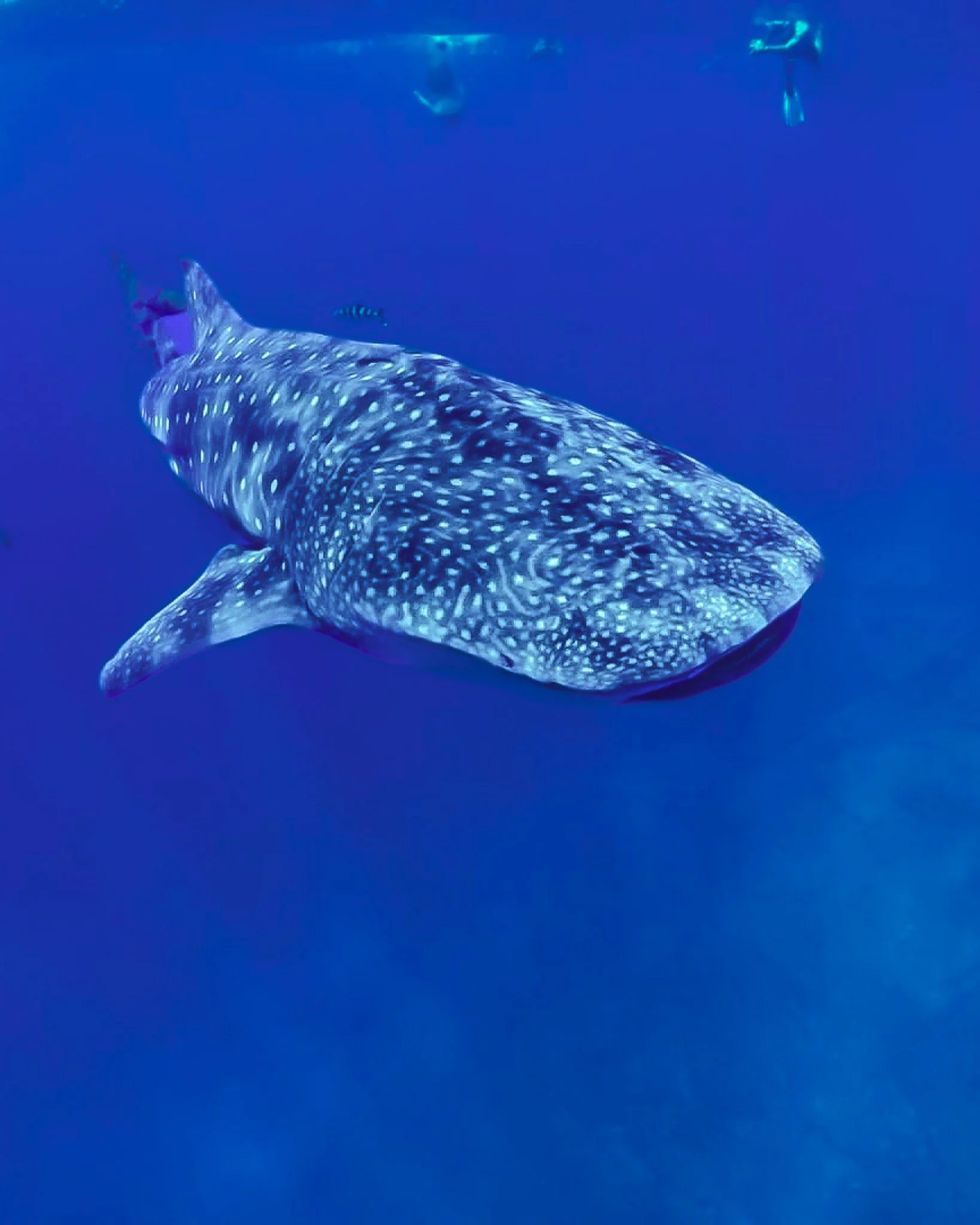
Between roughly December and March, the waters around St Helena fill up with the largest fish in the ocean, gathering here in numbers that marine scientists still don't fully understand — plankton blooms, water temperature, something particular about this patch of open Atlantic? Nobody's entirely sure, and that mystery is part of the appeal.
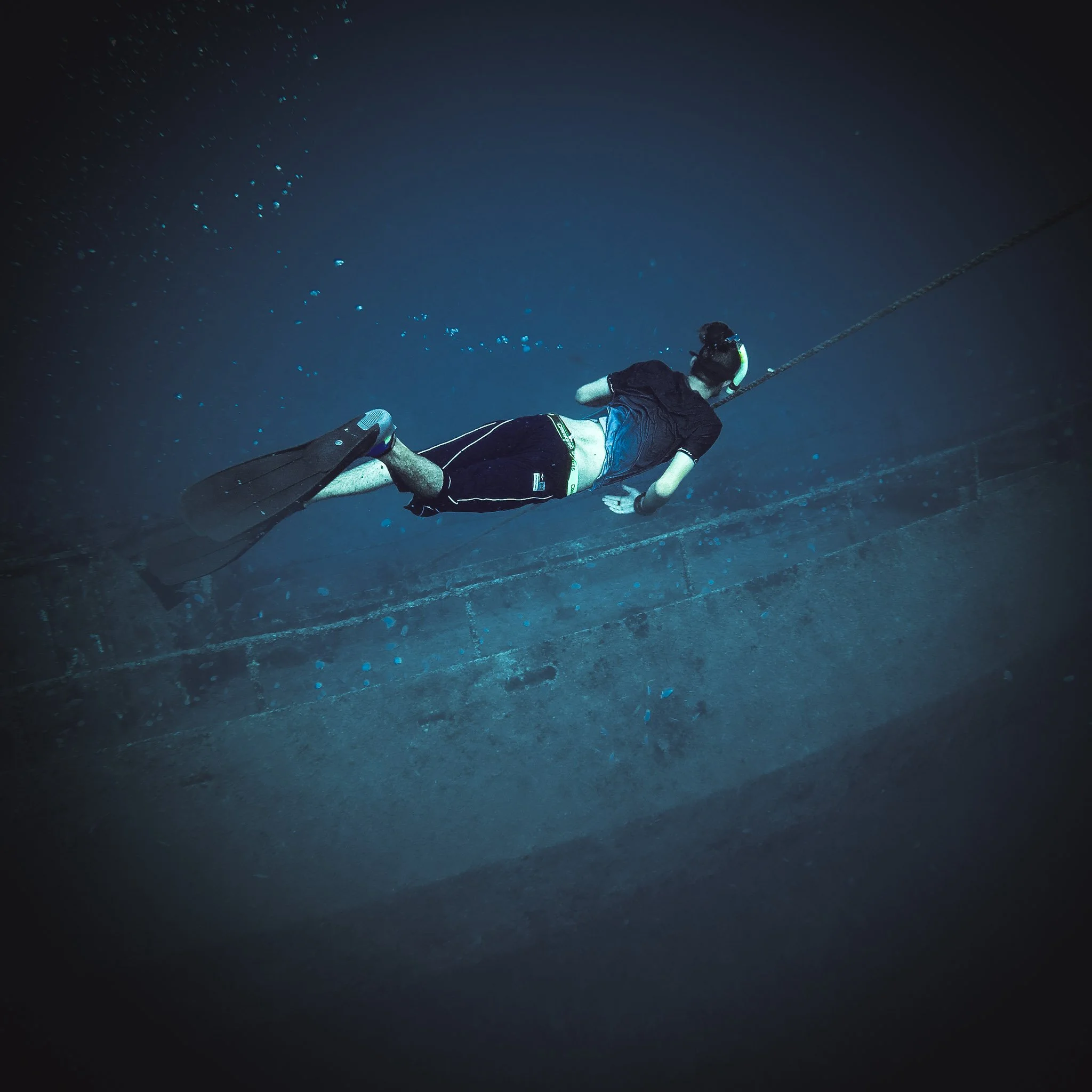
Egalite Ocean Adventures runs guests out to where they're feeding, into the water beside an animal the length of a bus that couldn't care less that anyone's there. That's what gets people — whale sharks are enormous and utterly indifferent to visitors, which is somehow more humbling than if they were aggressive. Nobody's the main character out there. Floating next to something that big, that calm, that ancient-looking, has a way of properly rearranging a person's sense of scale. Swimmers come up out of the water and have gone quiet in a different way than before they got in.
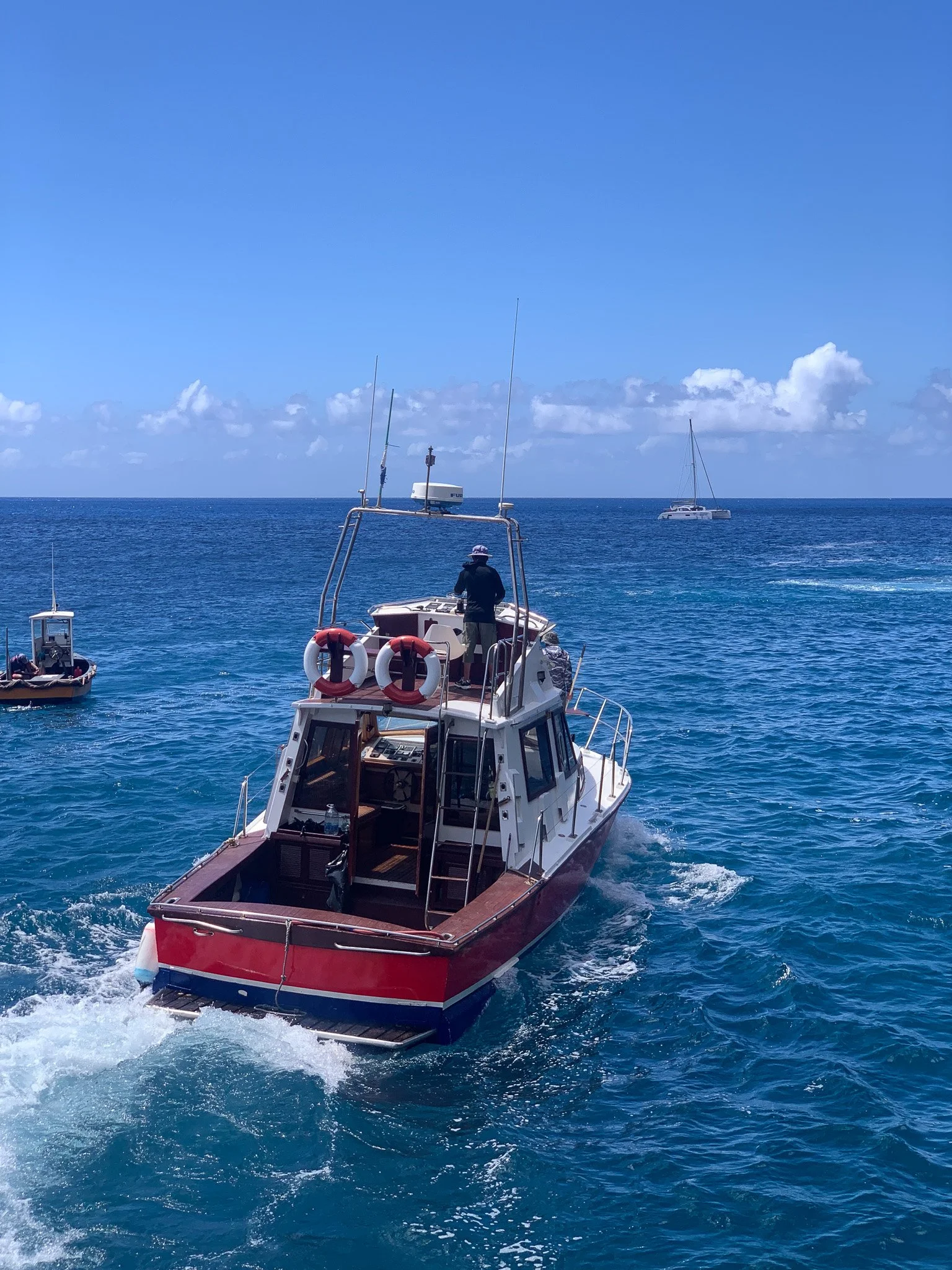

If the whale sharks aren't running, or a rod in hand sounds more appealing, the same team runs sport fishing trips over drop-offs that plunge from shallow reef straight down into blue water thousands of metres deep, just a few miles offshore.
Yellowfin tuna, wahoo, marlin on a lucky day — this is proper big-game water, and because almost nobody fishes it compared to anywhere else in the world, the fish haven't learned to be clever about it yet. Hours disappear out there too.
Ask anyone who booked a "quick morning trip" and came back at 3pm grinning with a wahoo on ice.
Lost in the Trees at Casons
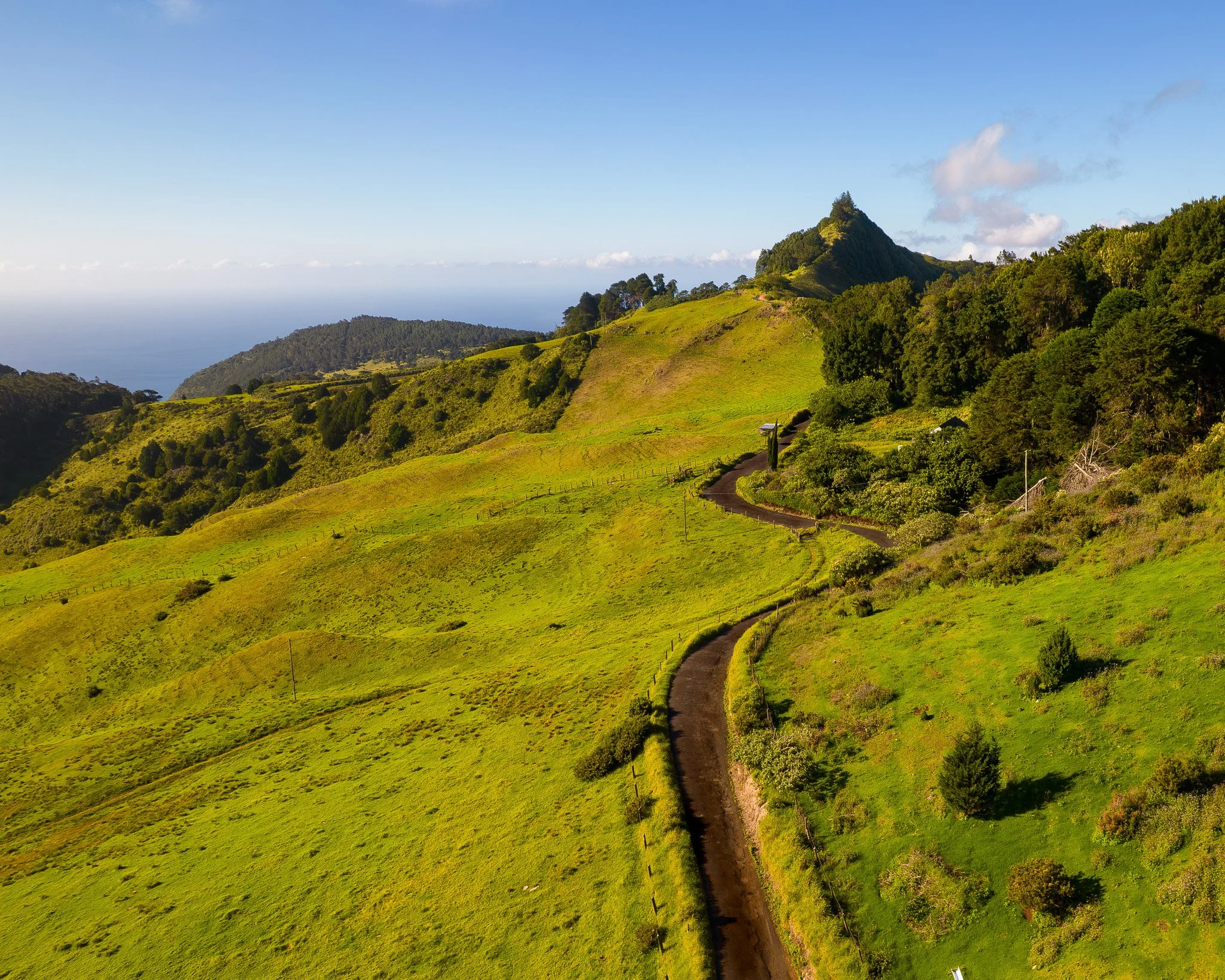
For a quieter day, there's Casons — one of the old timberland patches on the high central ridge, all pine and gum woodland, cool and green in a way that feels almost imported from somewhere else entirely. The paths are soft underfoot, shaded, and the birdsong is different to anything at sea level.
It's an easy walk, nothing technical about it, and that's rather the point — it's not a hike undertaken to achieve something. It's a walk that costs an hour without anyone noticing it's gone.
Lost on the Way to Lot's Wife's Ponds
For the other end of the spectrum, there's Lot's Wife's Ponds.
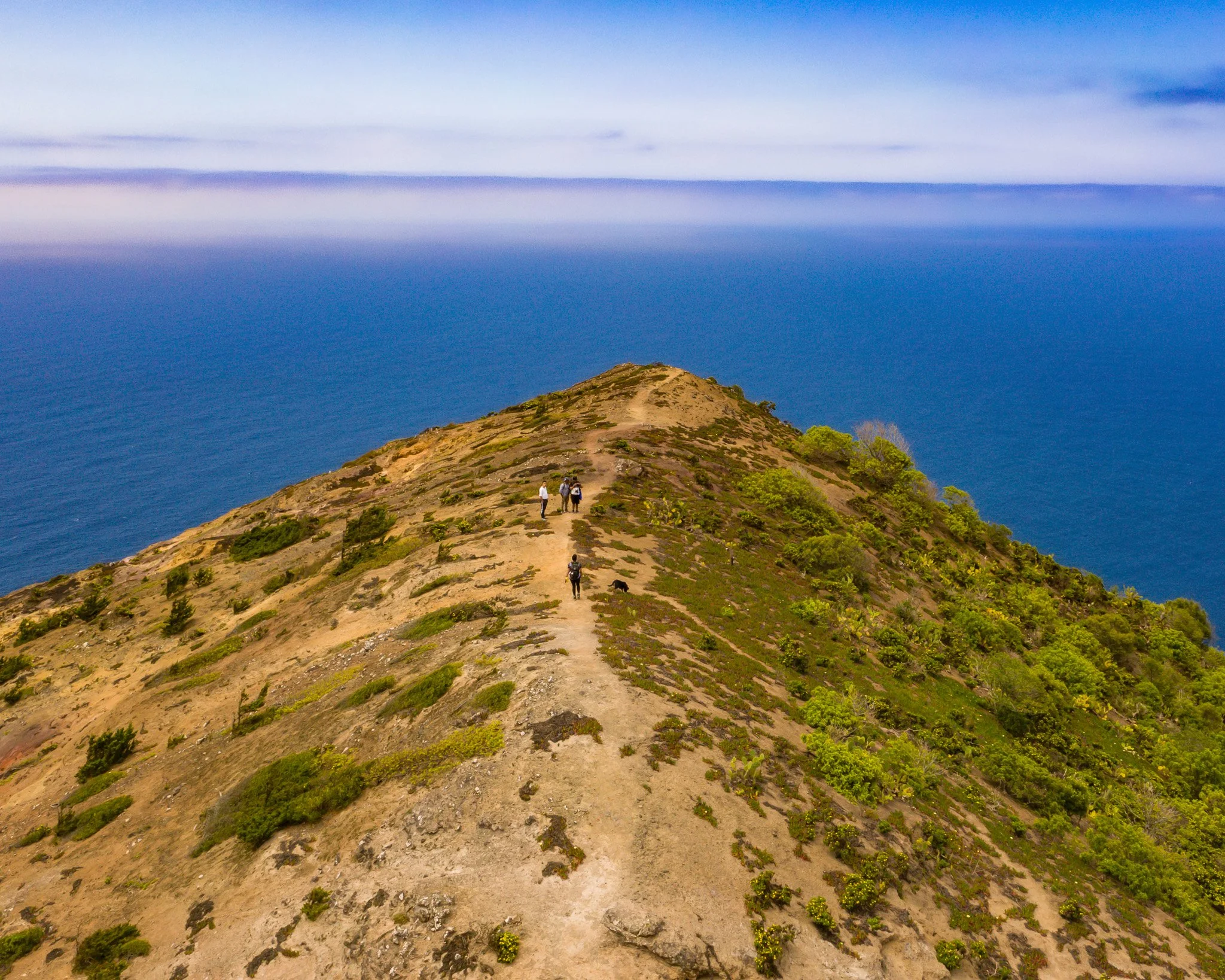
It's not a stroll. It's a proper hike up and down the flank of a rust-red, sun-baked volcanic ridge in the driest part of the island, and by the time hikers are scrambling down the last stretch to the rock pools at the bottom, most have sweated through whatever they were wearing and questioned at least one life choice along the way.
But then there are the pools — natural rock pools carved into black volcanic stone, the Atlantic surging in and out against the rocks just beyond — and there is nothing else up there.
No kiosk. No crowd. No queue for a photo spot. Just rock, water, and the walk back up, which somehow always feels longer than the walk down. It's the kind of hike that makes a visitor feel like they've earned the island, rather than just visited it.
Lost in Conversation with Jonathan
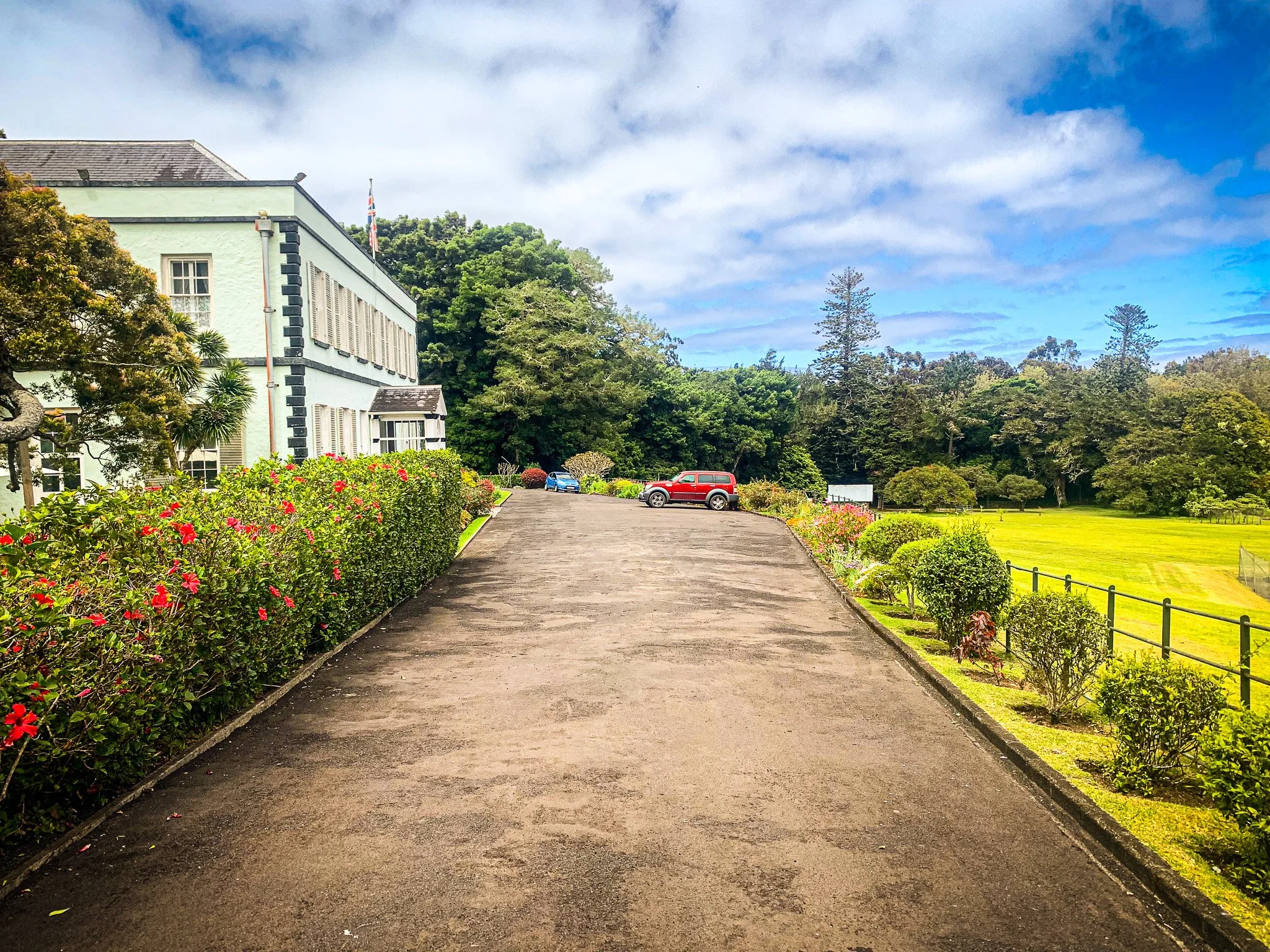
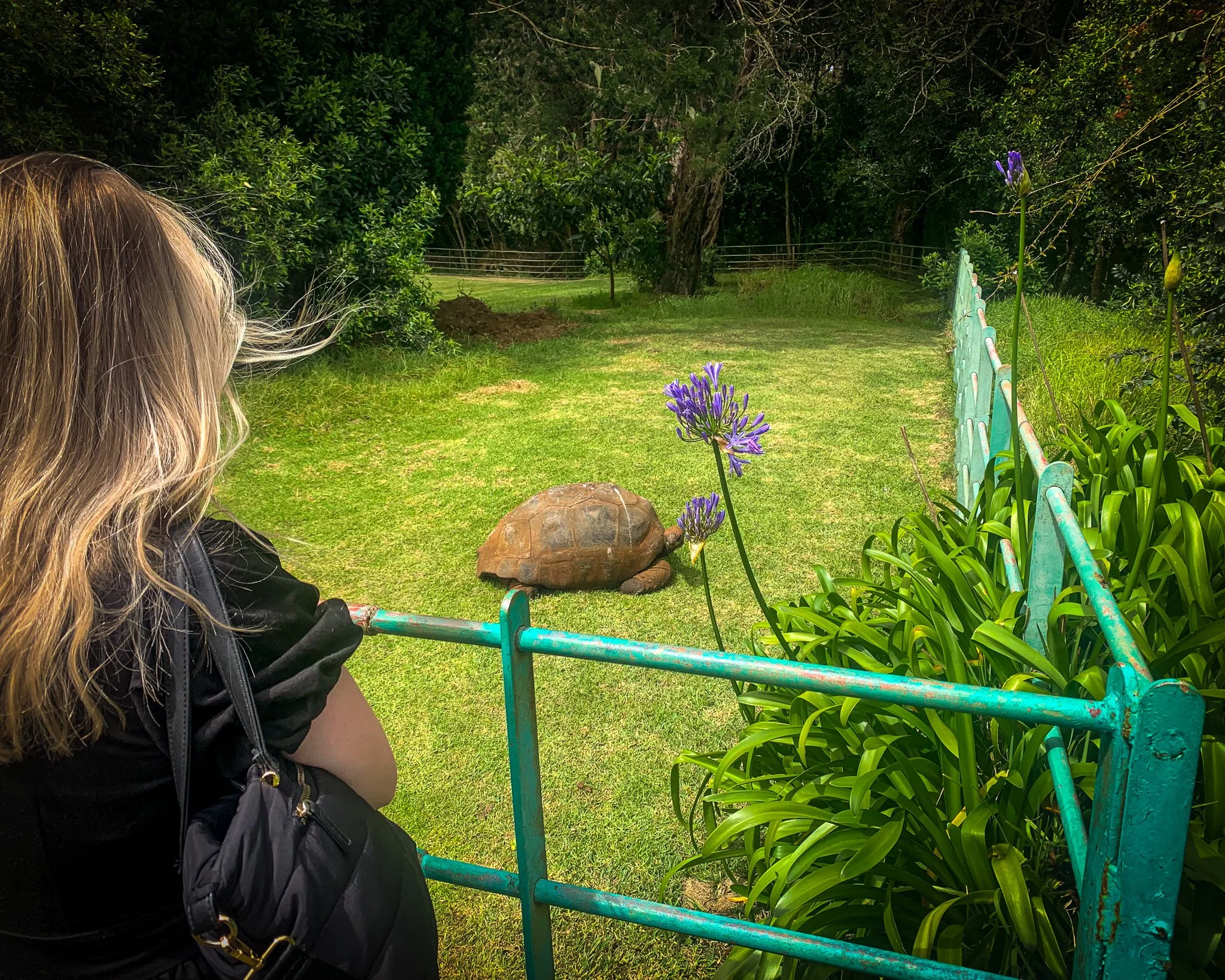
At some point every visitor goes to see Jonathan, and for good reason. He's a giant tortoise living in the grounds of Plantation House, and depending on which estimate is used, he's somewhere past 193 years old — already an adult wandering the island before some of the events covered in a school history class had even happened.
He was here before radio. Before the telephone. Before Napoleon's remains were exhumed and shipped back to France. He is, by a wide margin, the oldest living creature most people will ever stand near.
He also, and this is said with total affection, does not care in the slightest about the visit.
He'll carry on doing whatever slow tortoise business he was doing before anyone arrived. There's something quietly levelling about standing next to a creature with that kind of timescale behind him — job, deadlines, notifications, urgent emails, all of it a rounding error to Jonathan.
People go to see a tortoise and leave having had a small existential experience they weren't expecting. Not something a zoo enclosure anywhere else can promise.
Lost in Napoleon's Exile
Speaking of history that quietly outlasts everyone — St Helena is where the British exiled Napoleon Bonaparte after Waterloo, and the sites remain, more or less as they were.
Longwood House, where he lived out his final years, furnished much as it was.
The Briars Pavilion, where he first stayed on arrival.
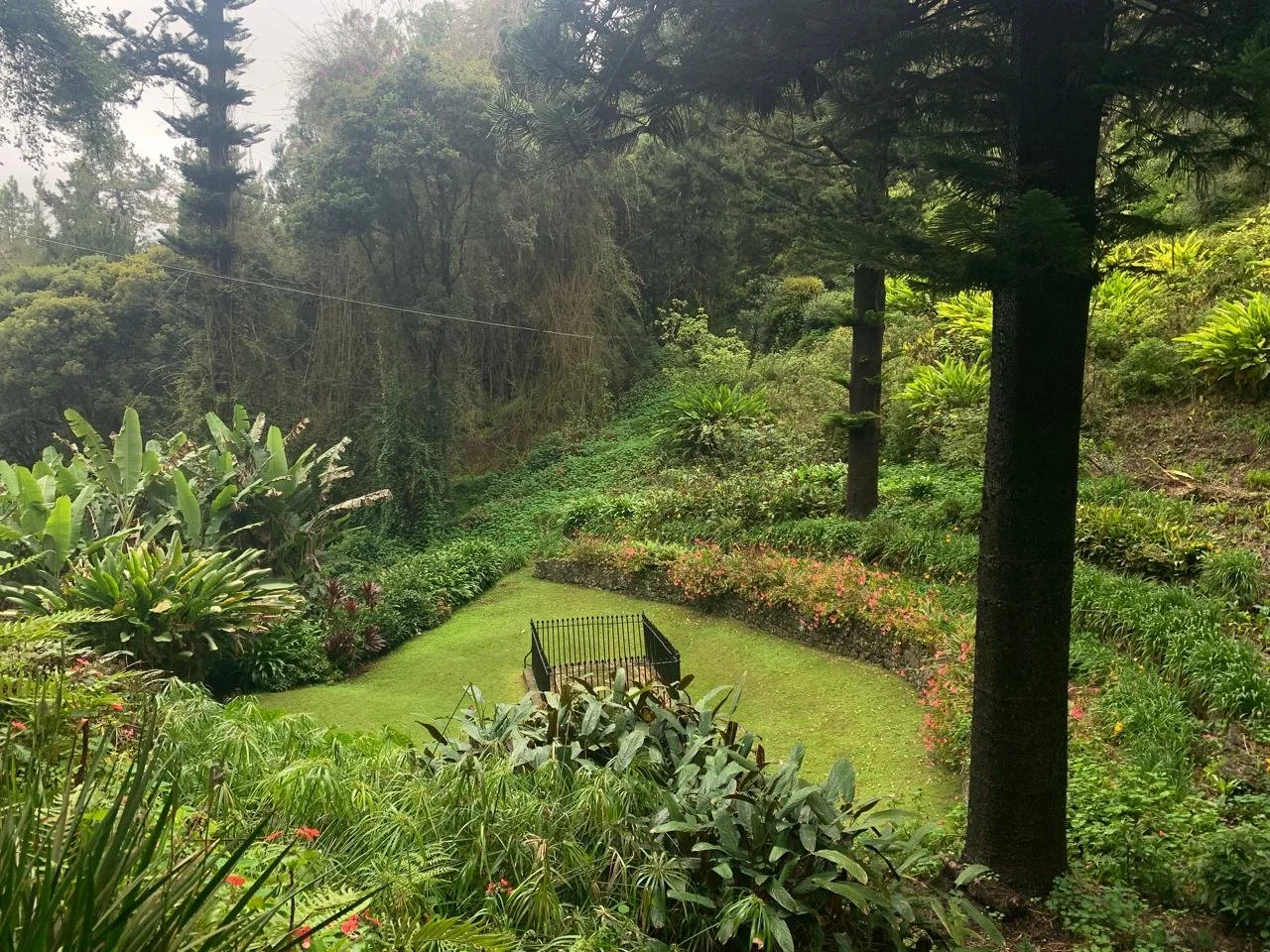
And the tomb itself, in a quiet valley, empty now since his remains went back to France, but still one of the most peaceful, oddly moving spots on the island.
No gift shop clamouring for attention at any of these. Just history, sitting quietly, waiting to be noticed.
Lost Somewhere Between Jacob's Ladder and Diana's Peak
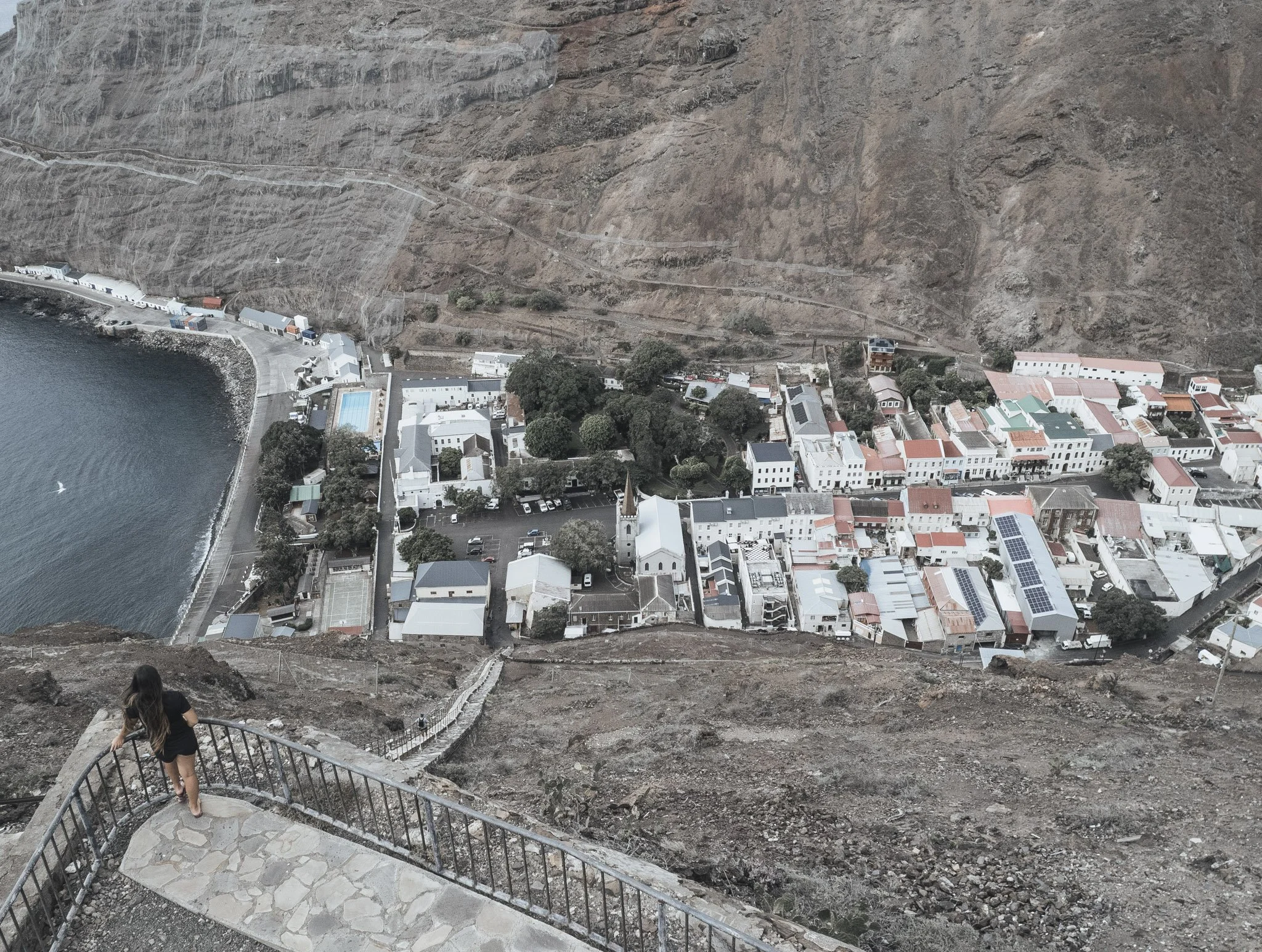
For visitors who want their legs to know they've been on holiday, there's Jacob's Ladder — 699 steps straight up the side of the valley above Jamestown, built originally as an incline for hauling cargo. It's brutal and brilliant in equal measure, and the view from the top over Jamestown's Georgian rooftops down to the harbour is worth every burning step.
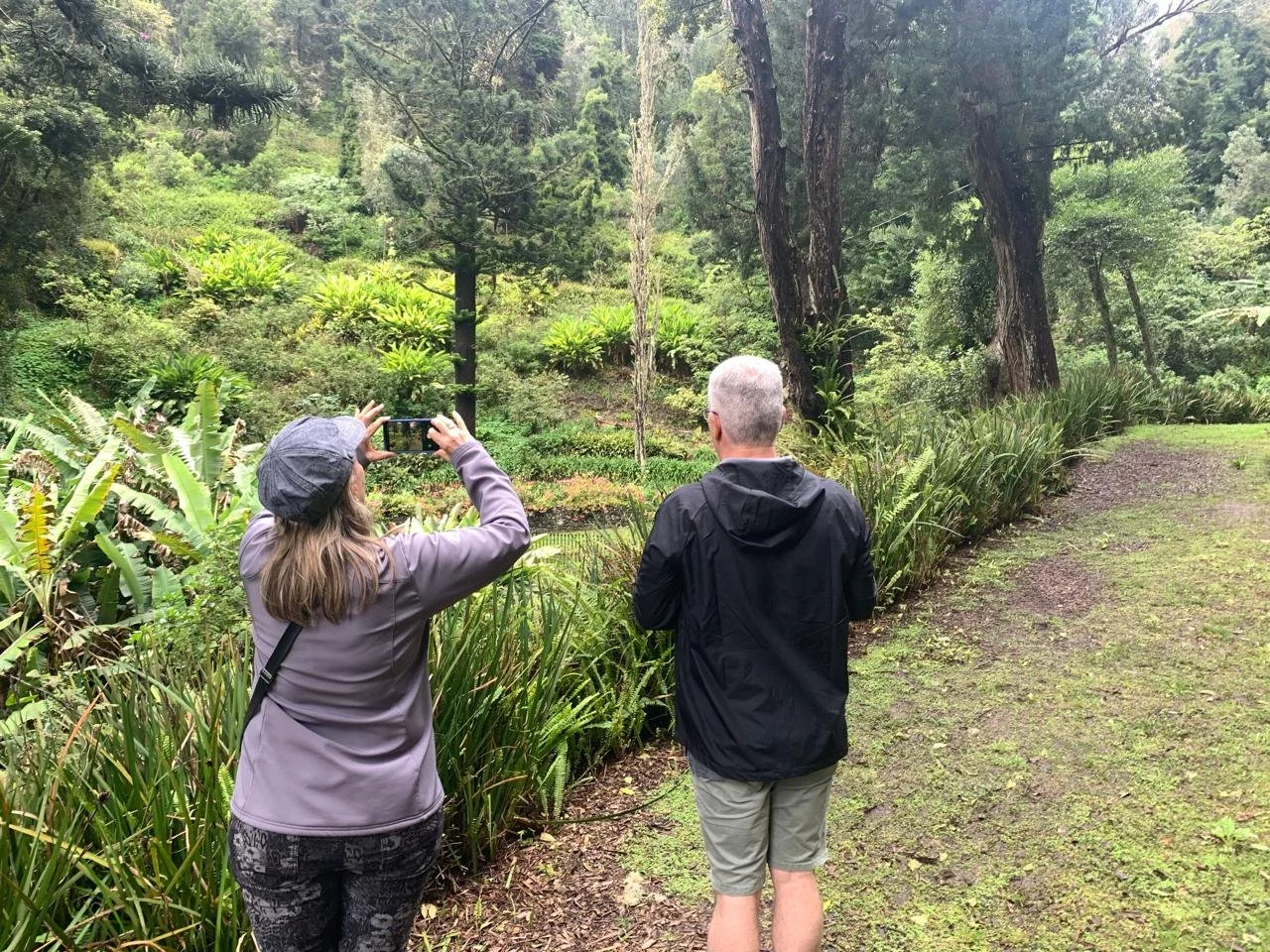
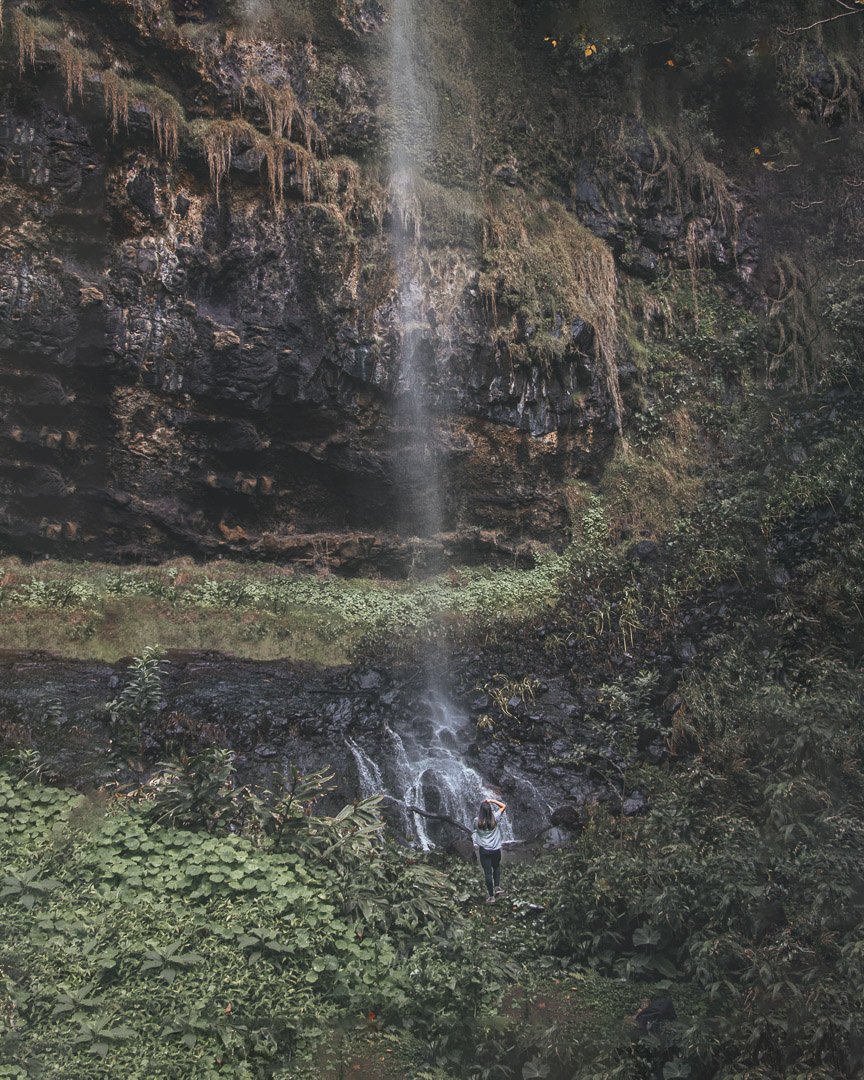
Or higher still, up to Diana's Peak, the highest point on the island, through cloud forest and tree fern that feels closer to a lost-world documentary than anything expected from a South Atlantic outcrop. And for those who like to collect things quietly, there are postbox walks scattered across the island — hidden waypoints with stamps and logbooks tucked away at the end of various trails, a proper treasure hunt for anyone who likes a reason to keep walking just a little further than planned.
Lost in the Taste of the Place
None of this means much without the food, so a word on fish cakes: St Helena fish cakes are not a side dish, they are an argument waiting to happen — every family has The Correct Recipe, and everyone else's is wrong. Salted fish, potato, a proper hit of chilli, fried until the outside's got some bite to it.
Visitors tend to eat more of these than planned.
Then there's the fish fry down on the seafront in Jamestown, when the tuna's been running and someone's got a fire going right there by the water, plumes of smoke drifting past the old sea wall, everyone standing about with a beer and a plat, no reservation, no dress code beyond "clothes."
It's the most honest kind of eating out there is — queue, get a plate, find a bit of wall to lean on, and eat freshly caught tuna while the sun goes down over the harbour.
And for something to take home that isn't food, there's flax weaving with the local ladies who still practise it — a skill going back generations, turning the fibrous flax plants that cover the island's hillsides into baskets, mats, and ropes the old way, by hand.
It's slow work, patient work, and visitors are welcome to learn if they ask nicely and bring some patience of their own. Most leave with something handmade and a much better sense of just how much skill goes into something that looks simple.
Lost Wandering Jamestown Itself
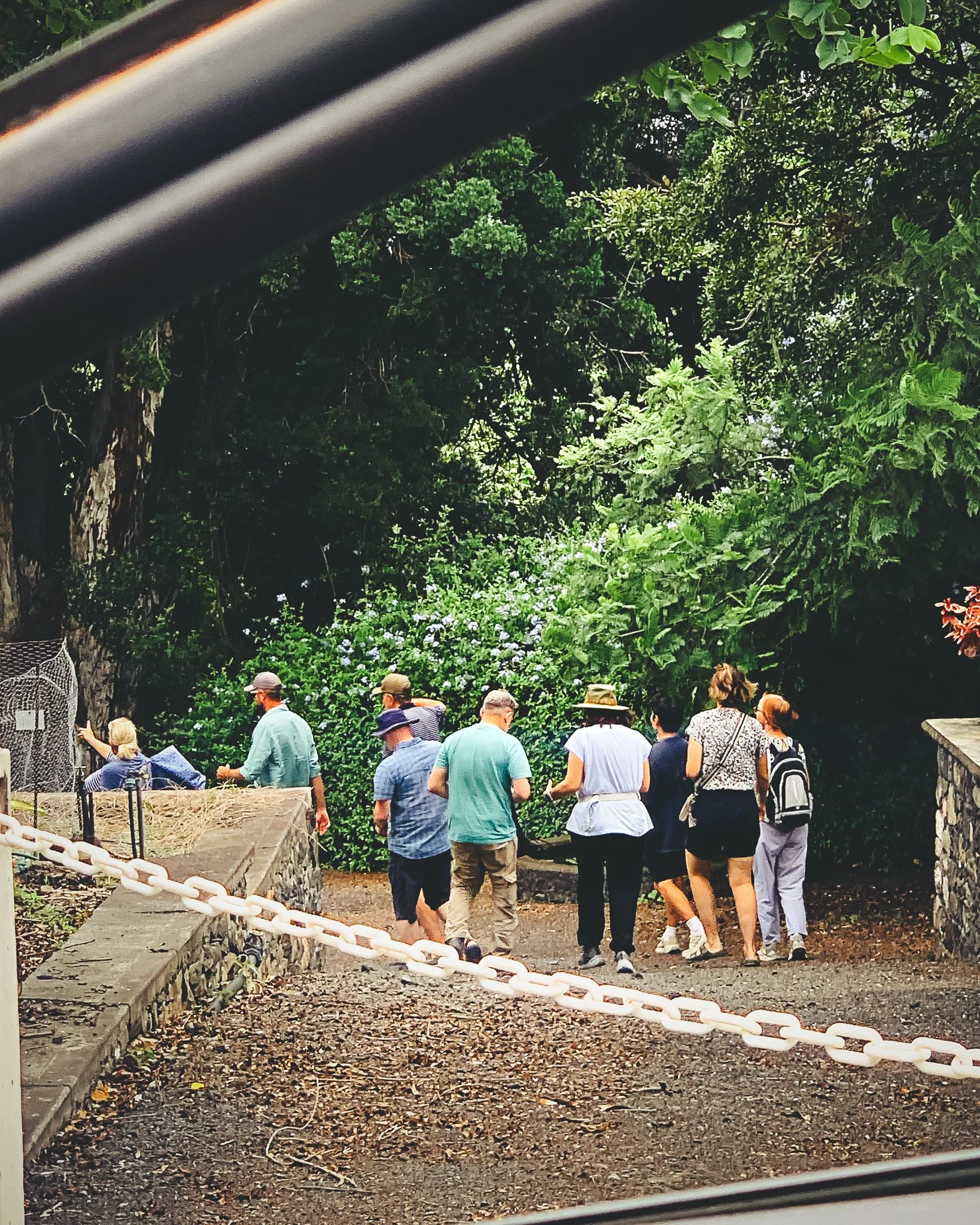
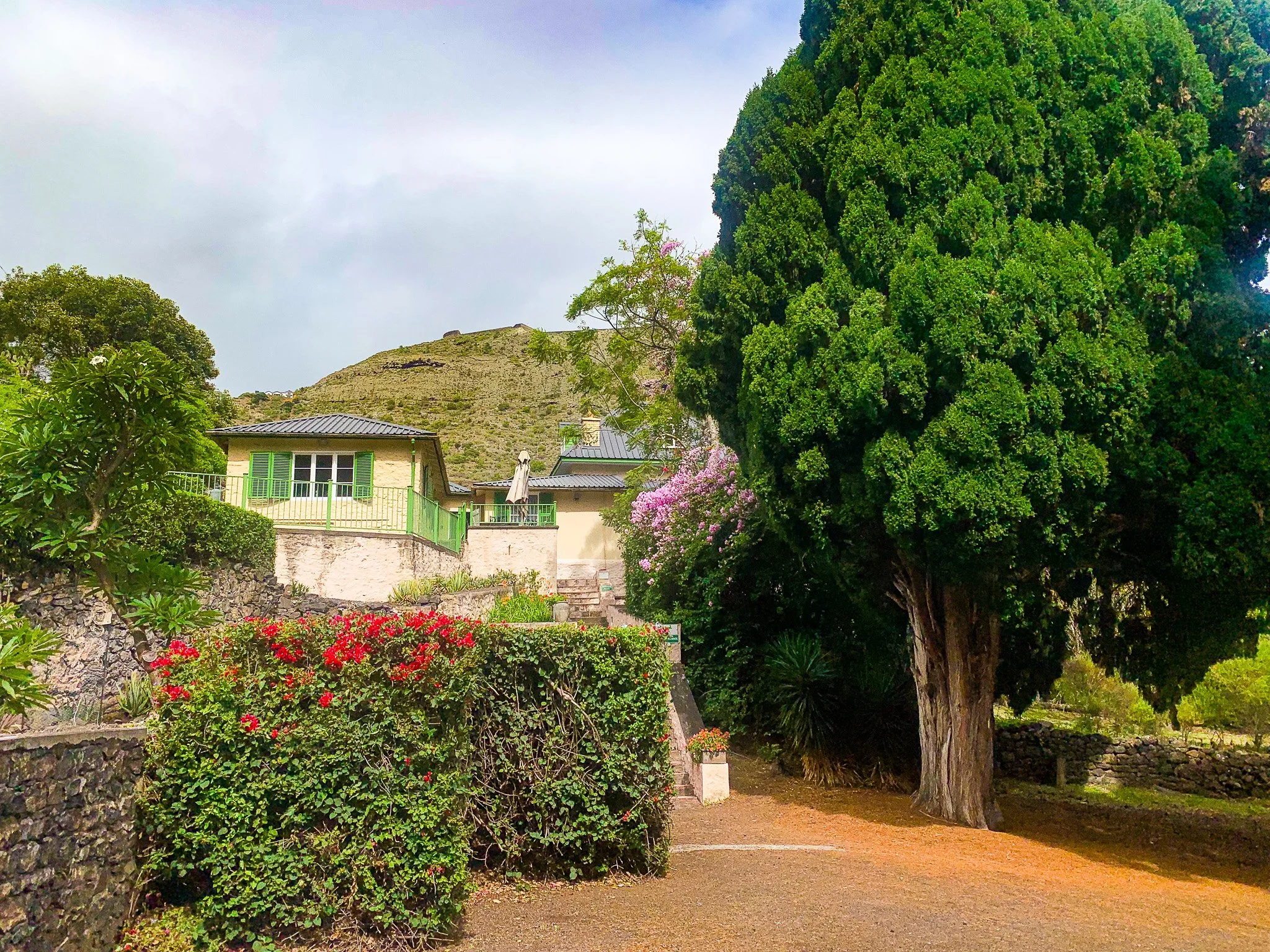
Before any of the above, most visitors lose an afternoon just wandering Jamestown, and few mind. It's a proper Georgian town squeezed into a narrow volcanic valley, all the way down to the sea, with buildings that have barely changed in silhouette for two hundred years — the Castle, the Court House, St James' Church, the old Consulate Hotel with its wide verandah.
There's no traffic noise to speak of, well not much actually (Except on a Thursday), so the smaller sounds carry: a radio drifting out of an open window, the sea against the wharf. Locals say hello in passing, not because visitors are expected to be greeted, but because that's simply how things work here.
Most visitors start doing it back within a day or two, without quite noticing they've picked up the habit until they're home again, saying good morning to strangers on a train platform and getting some very odd looks indeed.
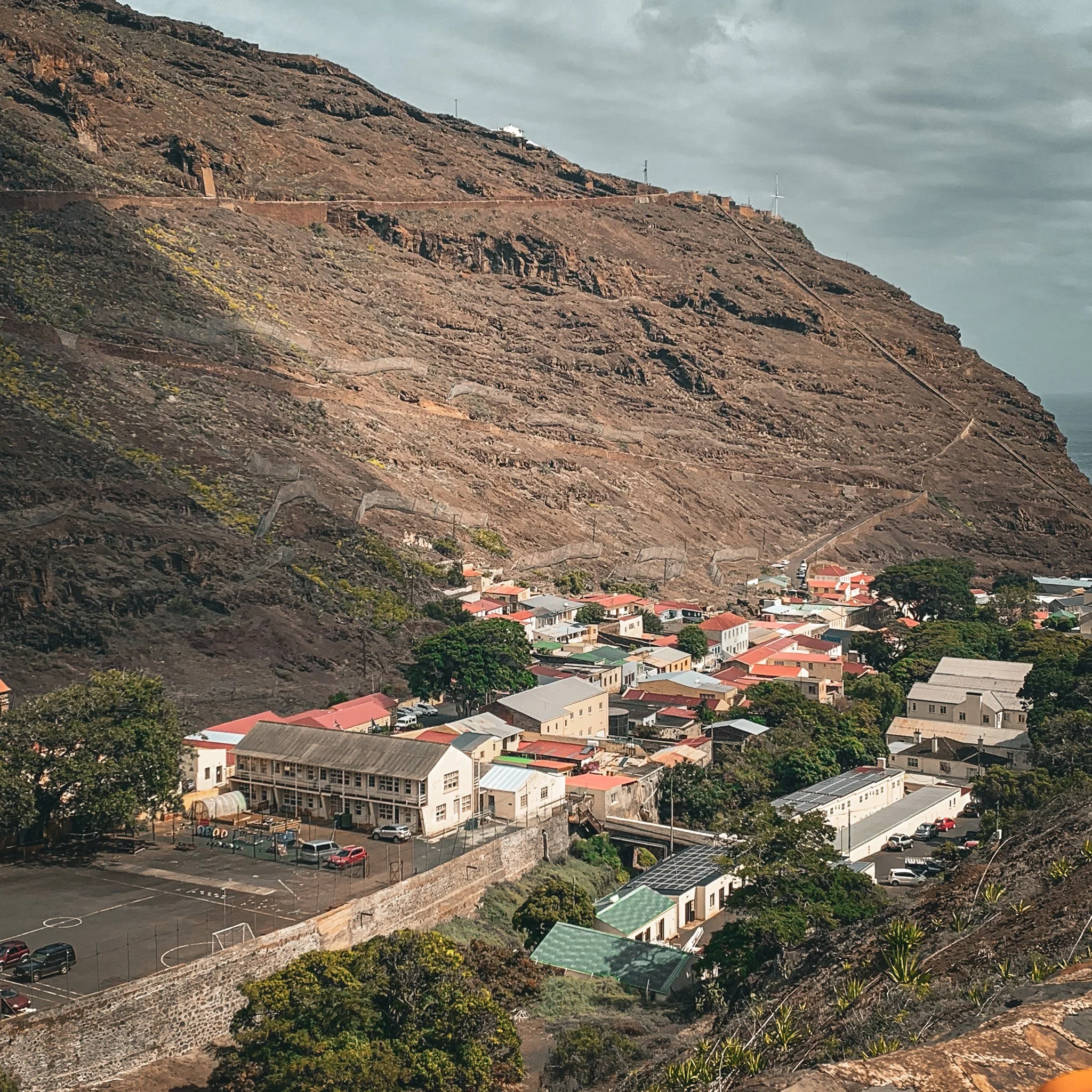
Nestled between to cliffs, Jamestown is filled with historic and beautiful buildings
Lost Under a Sky With No Light Pollution
And then there's the night sky, easy to overlook on a packed itinerary but genuinely worth the late night. With almost no light pollution and nothing but open Atlantic in every direction, the stars do something they simply can't do above a city — they multiply.
The Milky Way isn't a faint smudge that needs convincing to see; it's a proper band of light stretched clean across the sky. Step outside after dinner on a clear evening and twenty minutes disappear without anyone quite deciding to spend them that way. That seems to be the running theme of this whole island, in case it wasn't obvious by now.
So, Consider Yourself Warned
Fair warning delivered. St Helena will take a visitor's schedule, their notifications, their sense of urgency, and possibly a layer or two of skin off their shins on the way down to Lot's Wife's Ponds. In return, it hands back a fish cake, a swim next to something the size of a bus, a conversation with a 193+ year-old tortoise, and an evening on a sea wall with tuna smoke drifting past and absolutely nowhere else to be.
For anyone who's been quietly hoping to get lost too — properly, thoroughly lost — St Helena is that destination, and the light stays on.
Destination St Helena can arrange the transfers, the excursions, and the accommodation; the getting lost part, the island handles entirely on its own.
Just don't say there wasn't a warning.
Ready to get lost yourself?
Destination St Helena can arrange the Airport transfers, accommodation, and excursions — get in touch and start planning your own disappearing act.
📧 Email: destinationsthelena@gmail.com 📱 WhatsApp: +290 66050 🌐 Visit: www.destinationsthelena.co.sh