
Why Booking St Helena Isn't Like Booking Anywhere Else
If you've ever booked a holiday to Portugal, Thailand, or even somewhere fairly niche like the Faroe Islands, you'll have a process in your head already. Flights on Skyscanner. Hotel on Booking.com. Maybe a few excursions bookmarked on Viator or GetYourGuide the night before you fly. Job done. Two tabs, one credit card, and you're sorted.
St Helena doesn't work like that. And if you try to book it like that, you're going to have a bad time — not because the island is difficult, but because the systems you're used to relying on simply don't exist here in the same way.
We say this not to scare anyone off, but because we've had enough conversations with visitors who arrived assuming St Helena would behave like everywhere else, only to discover halfway through planning (or worse, halfway through their trip) that it doesn't. So let's actually walk through what's different, why it's different, and what that means for you if you're planning a visit.

The Easy Part: Getting Here
Let's deal with flights first, because this bit genuinely is straightforward, and we don't want to overcomplicate something that isn't complicated.
St Helena has one air link to the outside world — Airlink, flying via Johannesburg and Walvis Bay. You can book this through Booking.com in some cases, through a travel agent, or directly through the Airlink website. Any of those routes will get you a ticket, and there's no secret trick to it. If you're comfortable booking flights for any other international trip, you're equally equipped to book this one. There's no special local knowledge required, no hidden fare classes, no "you have to know someone" nonsense. Book your flight the way you'd book any flight.
That's genuinely where the similarity to normal travel planning ends.

The Part Nobody Warns You About
Once your flight is booked, most travellers assume the rest follows the same pattern: search, compare, click, confirm. On St Helena, that approach runs into problems almost immediately, because the digital infrastructure that makes self-service travel planning possible in most of the world barely exists here.
There's no large listings platform with dozens of St Helena properties, filterable by price and star rating, all bookable instantly with a live calendar. There's no Uber or ride-share app to get you from the airport to your accommodation, and no fleet of car hire desks lined up at arrivals. There's no single "excursions" marketplace where you can browse whale shark trips, historical tours, and hiking guides side by side and book whichever one has the best reviews.
What exists instead is a small, close-knit island economy where accommodation, transport, and excursions are run by individual owner-operators — some of them one-person operations, some of them small family businesses, a handful of them slightly larger. They don't all have websites.
Fewer still have real-time booking systems. Many of them run their availability out of a notebook, a WhatsApp group, or their own head. That's not a criticism — it's simply the scale of the island. But it does mean that trying to piece together an itinerary by cold-emailing or cold-calling a dozen different small operators, hoping they all reply, all have space, and all coordinate with each other, is a genuinely difficult task for someone who doesn't already know the island.
Accommodation: Why It's Not as Simple as Picking a Star Rating
Let's get into the accommodation question properly, because this is where we get the most questions, and where the most confusion happens.
The first thing every visitor needs to understand: there are no hostels on St Helena, and there isn't really a room-sharing culture here either. If your mental model of budget travel involves dorm beds, shared bathrooms down the hall, or the kind of backpacker hostel you'd find in Southeast Asia or South America, you need to reset that expectation completely.
That style of accommodation simply doesn't exist on the island, and it's not likely to any time soon. The island's tourism infrastructure has developed around a different model entirely, so travellers who arrive assuming they'll sort out cheap shared accommodation on arrival will find there's nothing to sort out — it isn't there to be found.
Instead, accommodation on St Helena falls into a small number of genuinely distinct categories, and understanding the differences between them matters more here than it would almost anywhere else, because getting it wrong means a mismatch between what you expected and what you get.
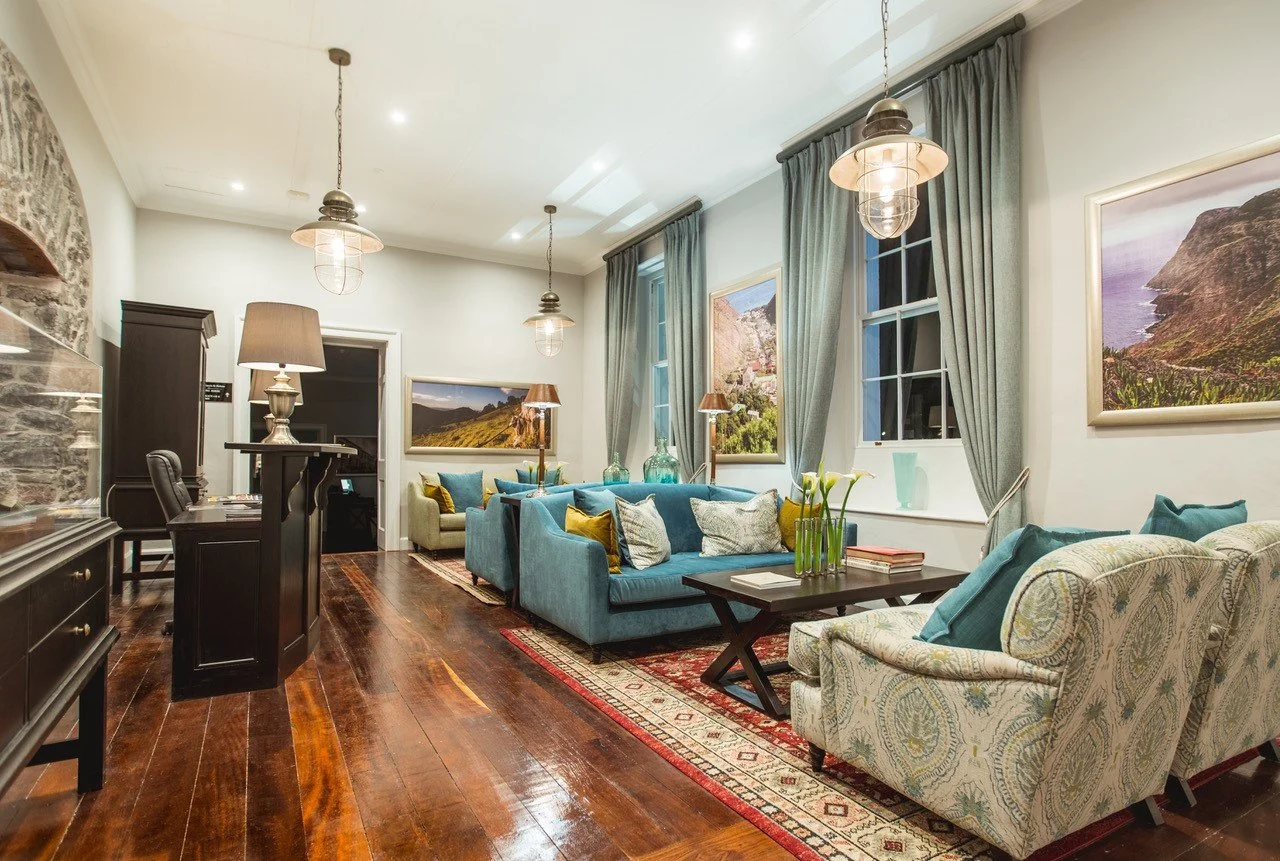
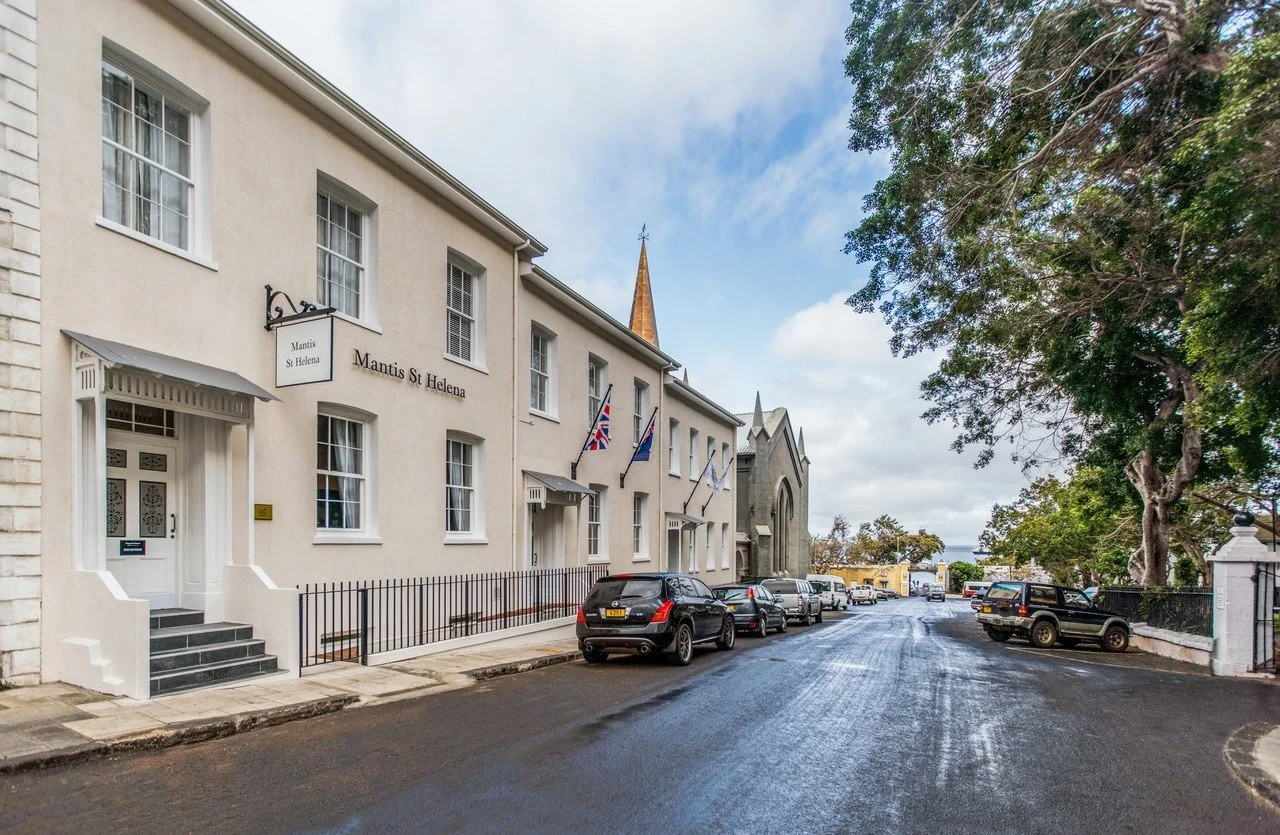
The 4-star hotel option is the island's Mantis Collection property. This is the closest experience to what an international traveller would recognise as a conventional hotel stay — the kind of standard, service, and consistency you'd expect from a Mantis property anywhere in South Africa or the wider region. If you want predictability, hotel-style service, and a familiar international standard, this is the option that delivers it. It's also, unsurprisingly, priced accordingly, and it has a finite number of rooms — which on an island this size matters more than it would in a city with fifty hotels to fall back on.

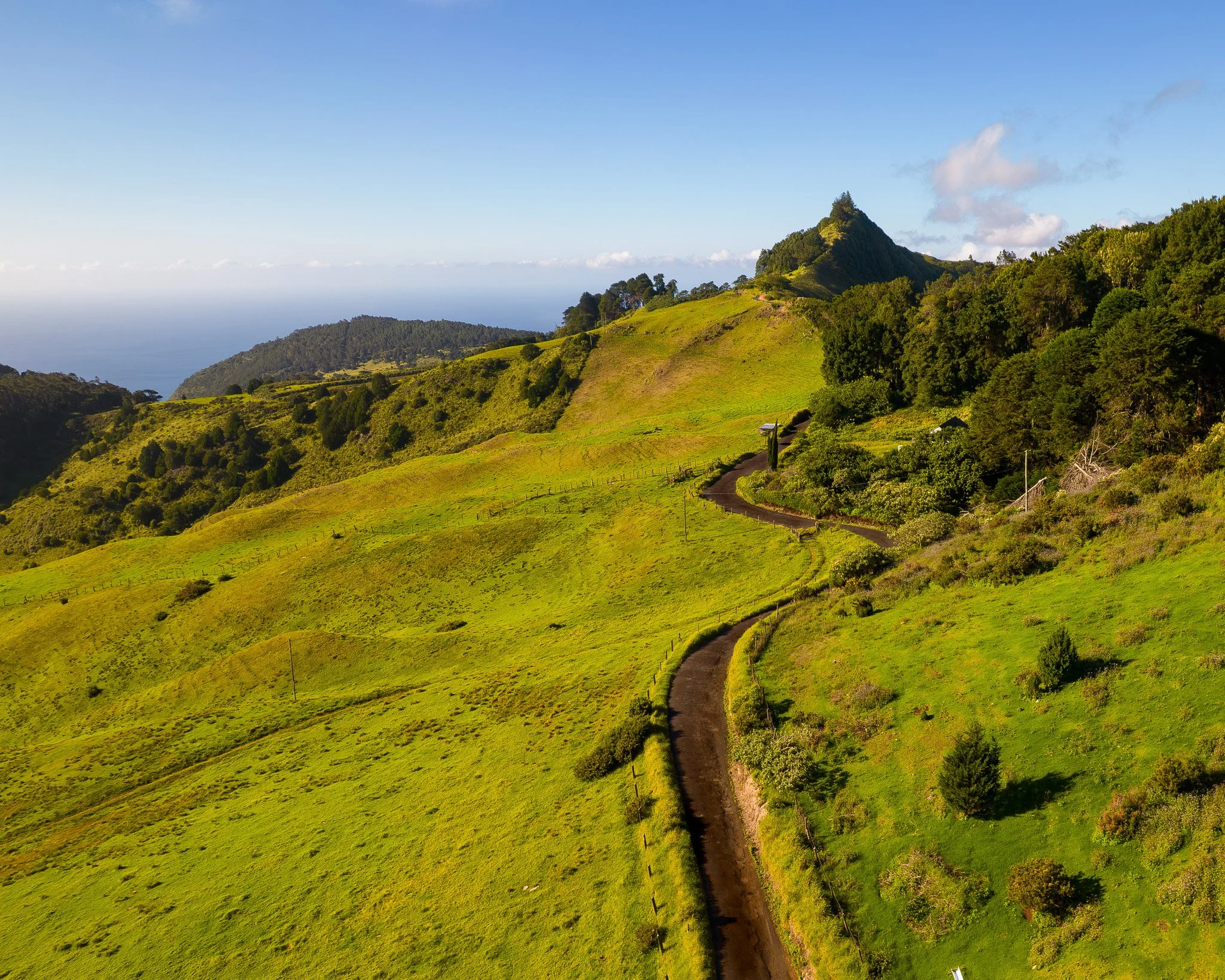
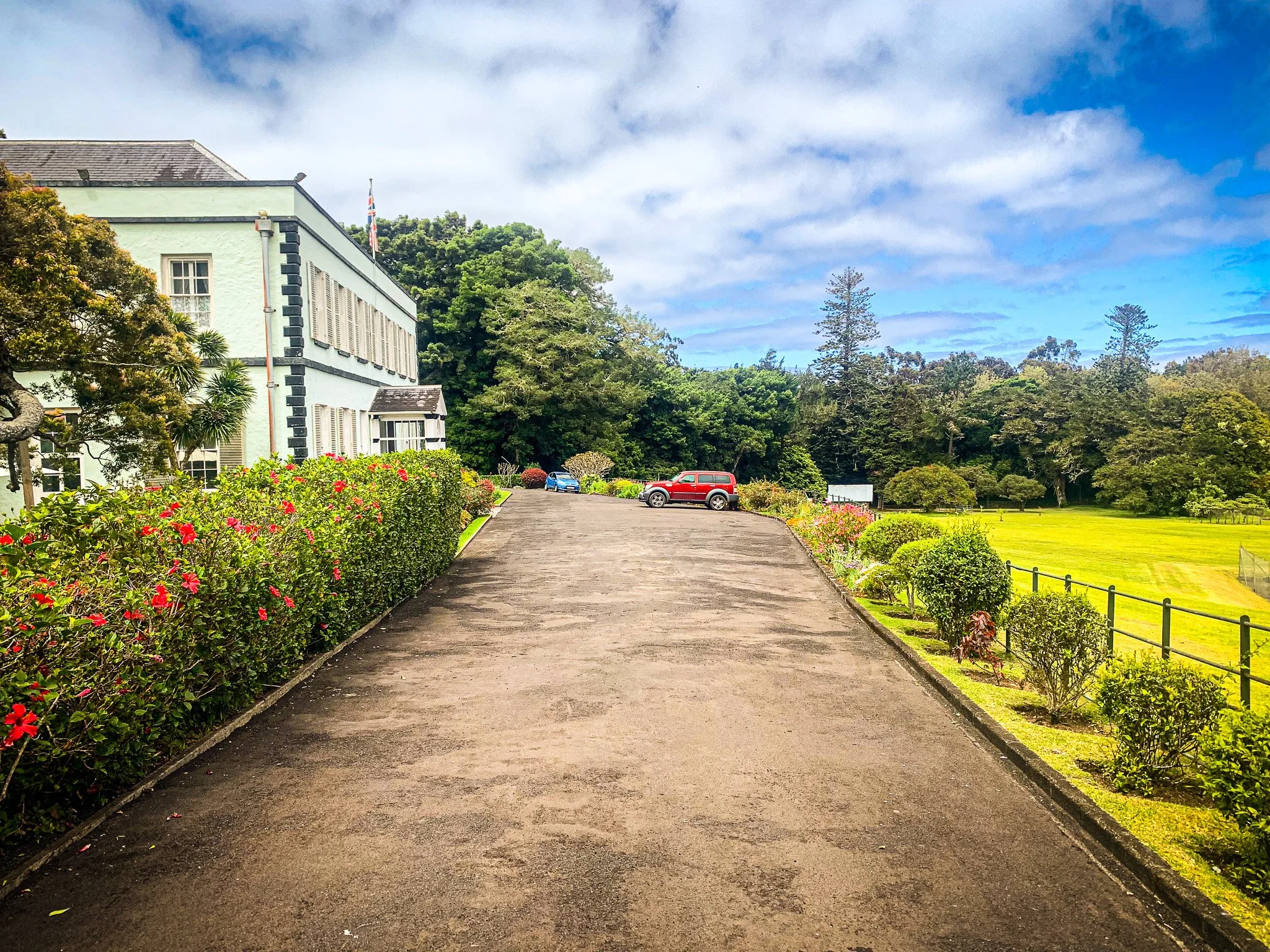
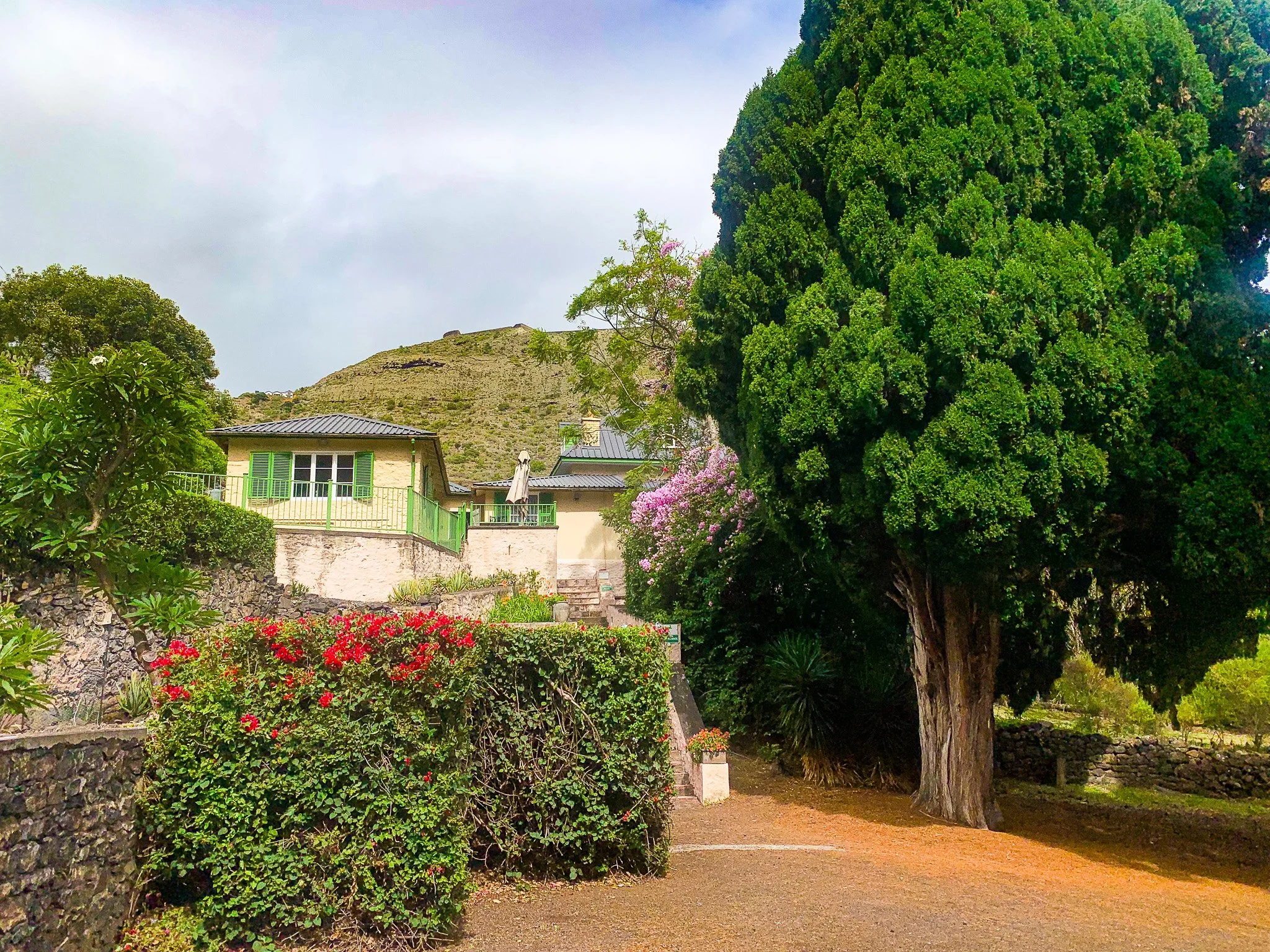
B&B’s outside of Jamestown are a completely different experience, and for a lot of visitors, a genuinely special one. These are private homes, often family-run, out in the island's countryside Staying here means waking up somewhere quiet, often with genuinely spectacular views, and getting a much more personal, local experience of the island. The trade-off is that these properties are further from Jamestown, the island's main town, so transport becomes a bigger consideration — which we'll come back to.
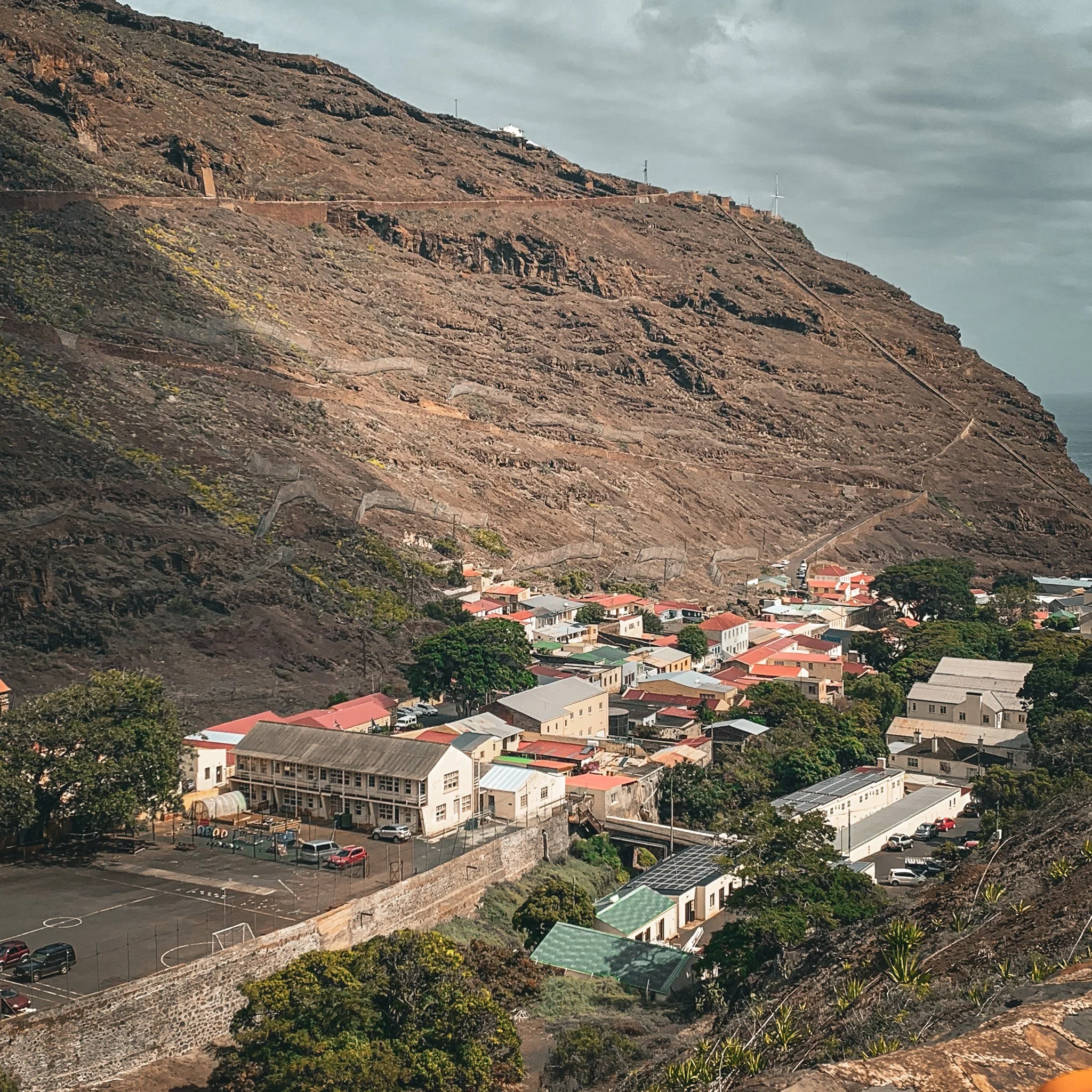
B&B hotel-style accommodation in Jamestown sits somewhere in between. These are guesthouse-style properties within the town itself, giving you walkable access to Jamestown's restaurants, shops, the museum, and the harbour, while still being a smaller, more personal setup than the Mantis property.
For visitors who want to be central and don't want to rely heavily on transport to get to dinner or the shops, this is often the sweet spot.
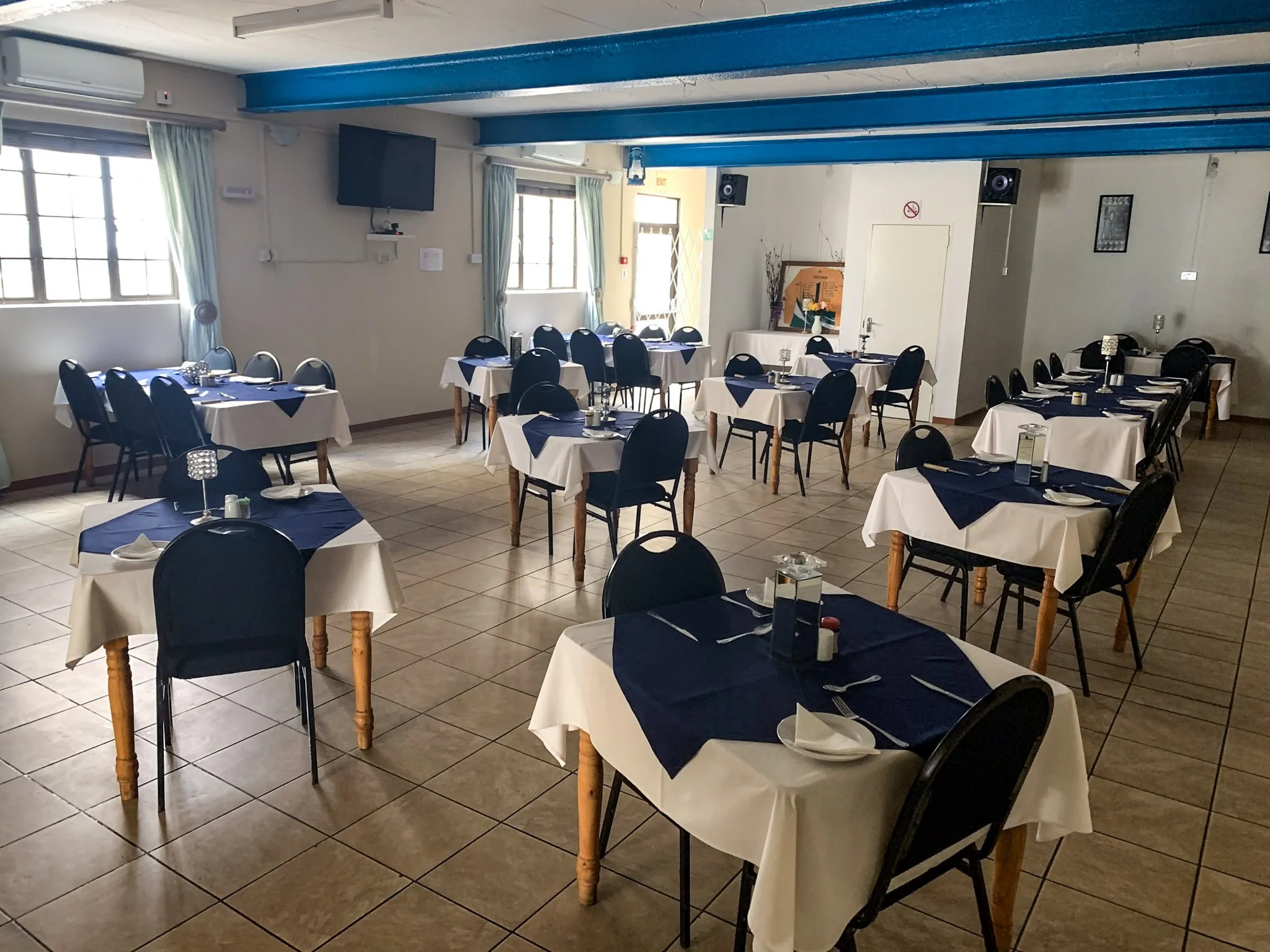
The one we work with has an in-house restaurant so you would get the chance to meet locals, make freinds and even have dinner with locals at some point.

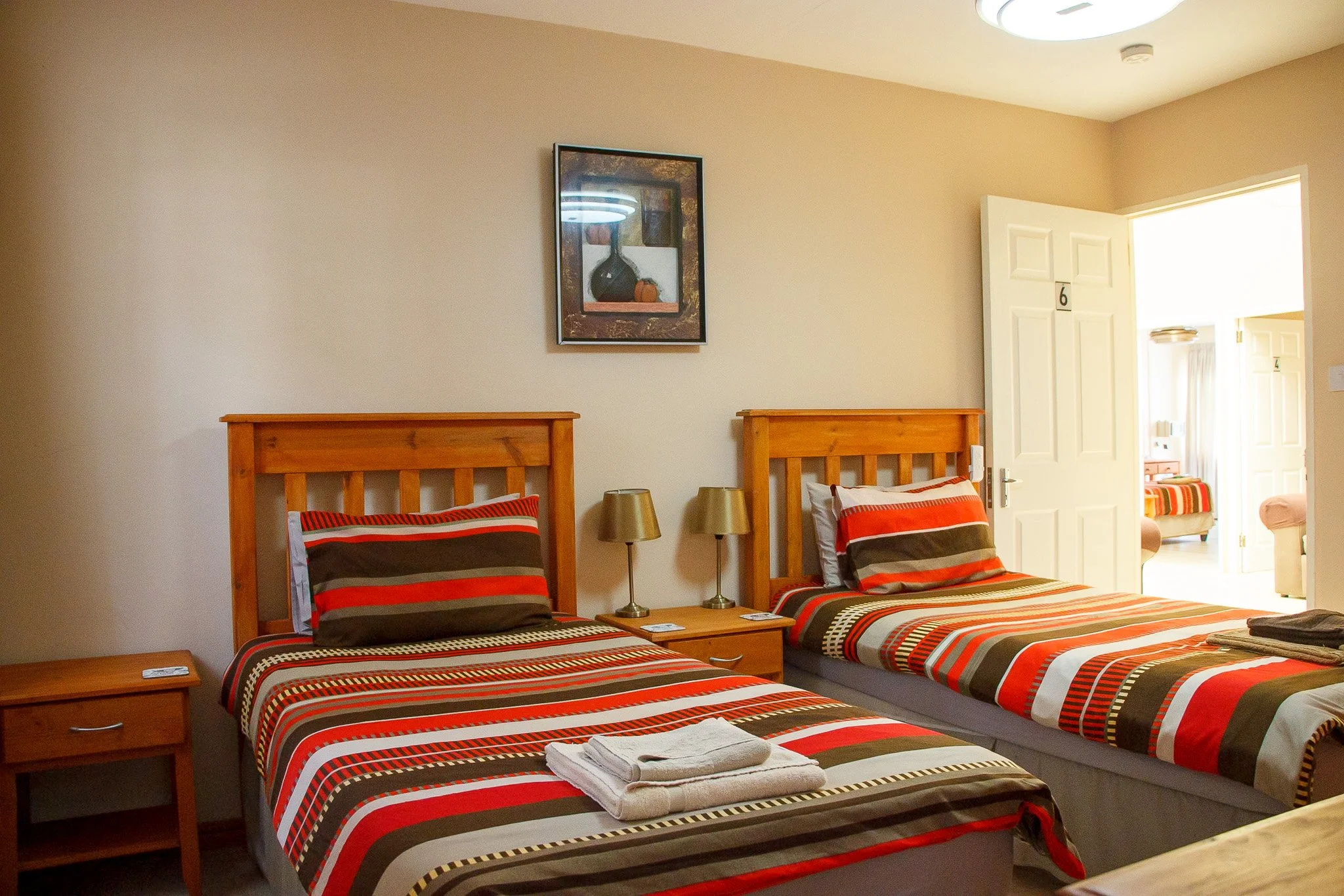
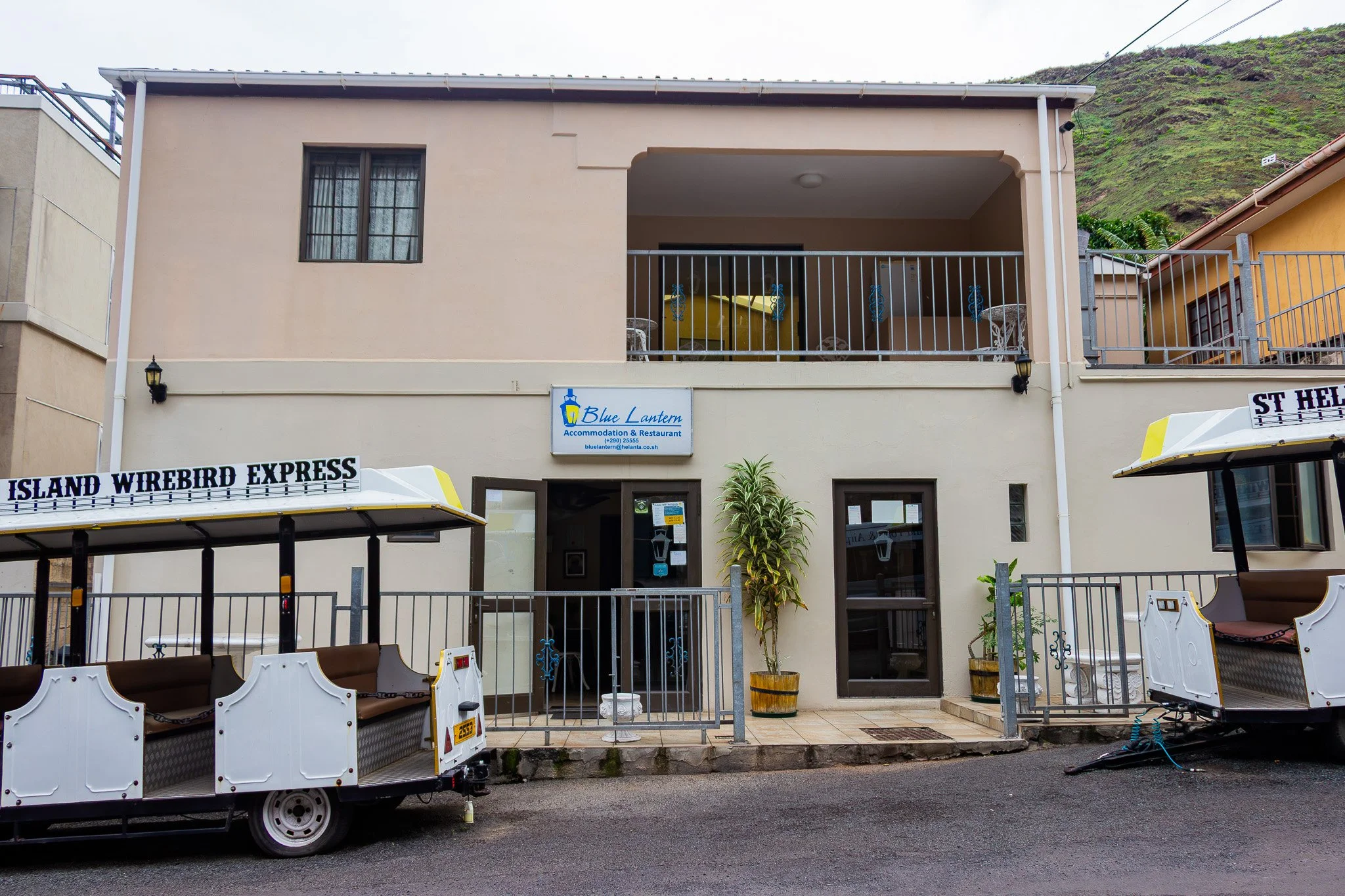
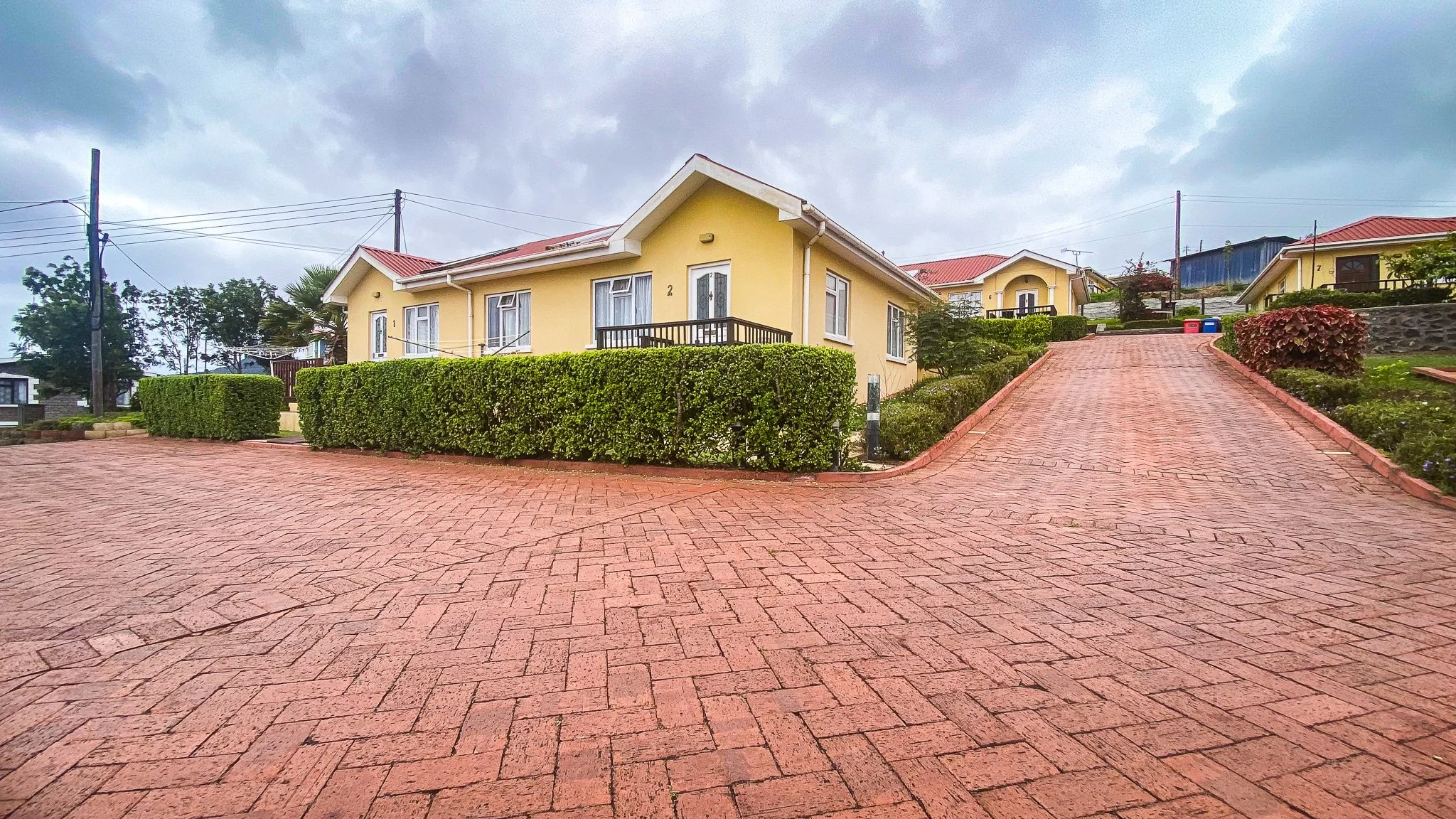
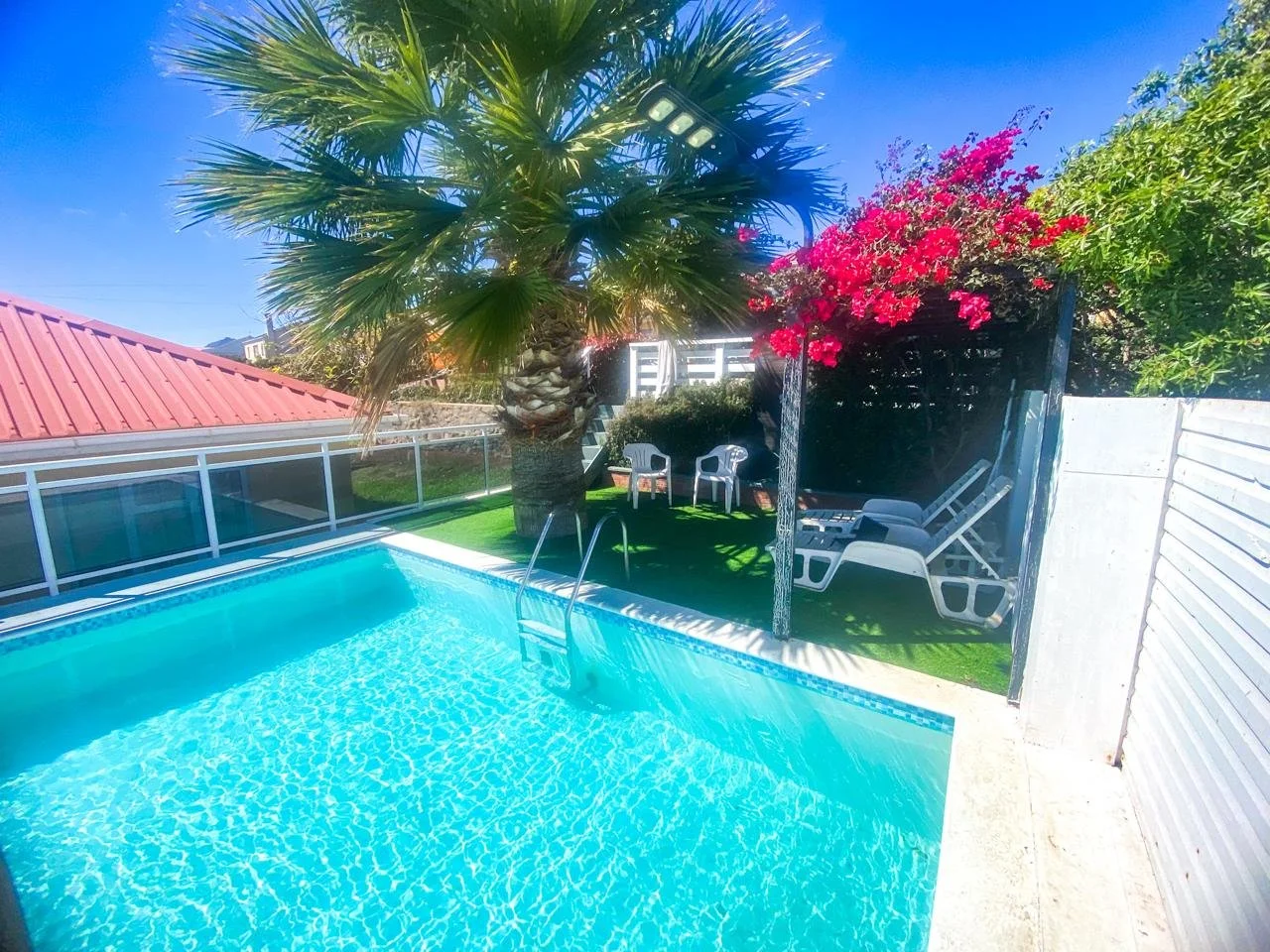
Self-catering accommodation is the fourth category, and it's the one that requires the most care when booking — because self-catering on St Helena doesn't mean "pick a listing off a map." It means we need to actually understand who's travelling and how, before we can even tell you what's available. Some have 2 bedrooms and some 3 bedrooms, on an estate. Then you have those that are actual homes belonging to “Saints” that are off island working, but they rent their homes out.
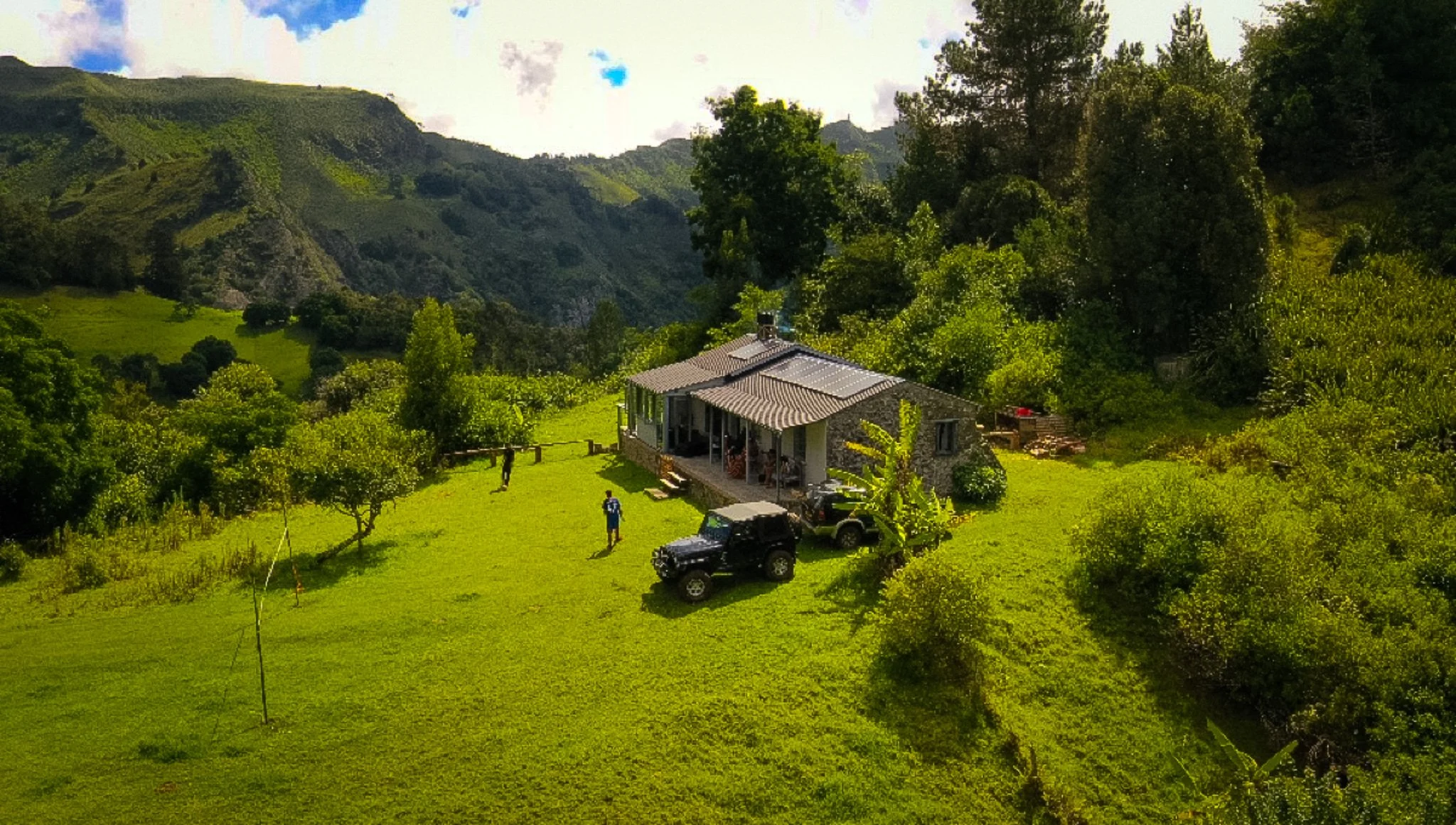
Why We Ask So Many Questions About Self-Catering
This is one of the areas where the difference between booking St Helena yourself and booking through people who know the island really shows up.
Self-catering units on the island vary enormously — not just in price, but in layout, in bedroom configuration, in whether rooms share a bathroom, whether there's a proper separation between sleeping areas, and how many people a unit is actually suited to.
A "two-bedroom self-catering cottage" on St Helena isn't a standardised product the way it might be in a large resort development elsewhere. Every unit is different, because every unit is somebody's actual property, adapted over time, not built to a template.
That's why, when someone asks us about self-catering, one of the very first things we need to know isn't just "how many people" — it's who those people are to each other. Are you a couple? Two couples travelling together? A group of friends who are happy sharing communal space but want their own rooms? A family with children who'll need to be near the parents?
Each of those groups needs a genuinely different type of unit, and getting it wrong doesn't just mean minor inconvenience — it can mean two couples who don't know each other well being expected to share a bathroom, or friends being split across buildings when they wanted to stay together, or a family unintentionally booked into a unit designed for separate independent travellers.
This is a big part of what a DMC (destination management company) actually does that a generic booking platform can't. We're not filling in a search filter for "sleeps 4" — we're matching real people, with real relationships and real expectations, to a specific property that we've usually seen ourselves, run by an owner we know personally. It's a fundamentally different, much more manual process than clicking through a listings site, but it's the only way to get it right on an island where every unit is genuinely unique.
Getting Around: Transport and Transfers
Once accommodation is sorted, the next piece of the puzzle is getting around — and this is another area where St Helena parts ways with what most travellers are used to.
There's no ride-share app, and while there is some car hire available, it's limited, and the island's roads are narrow, winding, and require a level of local driving familiarity that catches a lot of first-time visitors off guard. Add to that the fact that accommodation, restaurants, excursion departure points, and attractions are often spread across different districts of the island — not clustered together the way they would be in a typical resort town — and it quickly becomes clear that simply landing and figuring it out on foot or with a rental car isn't always realistic, particularly for visitors staying in one of those B&Bs outside Jamestown.
This is where properly organised transfers and transport matter enormously.
Getting from the airport to your accommodation, getting from your accommodation into Jamestown for dinner, getting to an excursion departure point at the right time in the morning — all of this needs to be planned with an understanding of the island's actual geography and road conditions, not just a distance measured in kilometres on a map.
A ten-minute distance on paper can be a genuinely different experience once you factor in the terrain.
Thats why we have in-house transport, wether it’s for a group or single or a couple, we have transport options to cater for visitors.
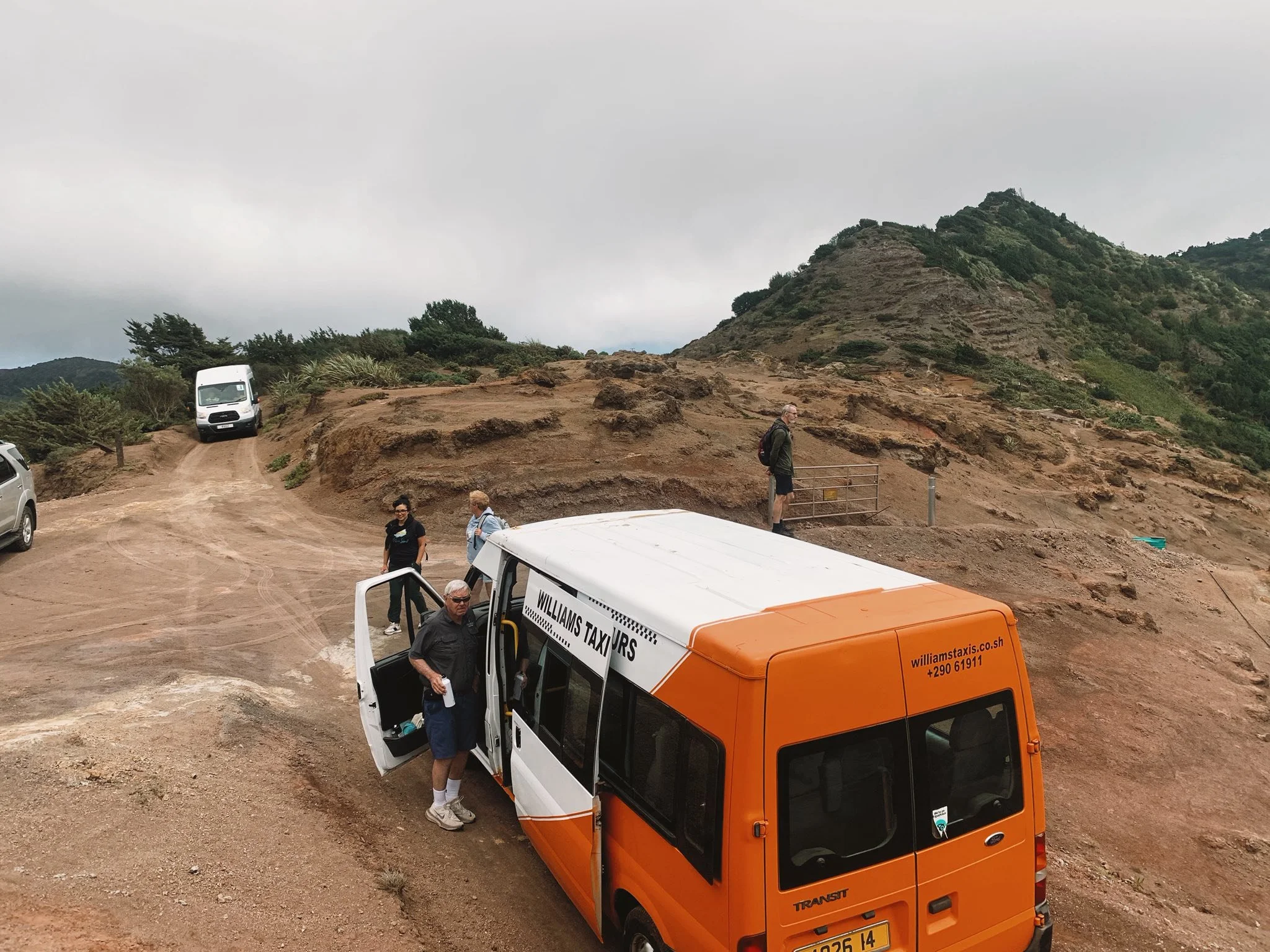
Our in-house Transport consists of Cars, 7 Seater MiniBus and Larger 14 Seater Buses
Excursions: Timing, Weather, and Local Knowledge
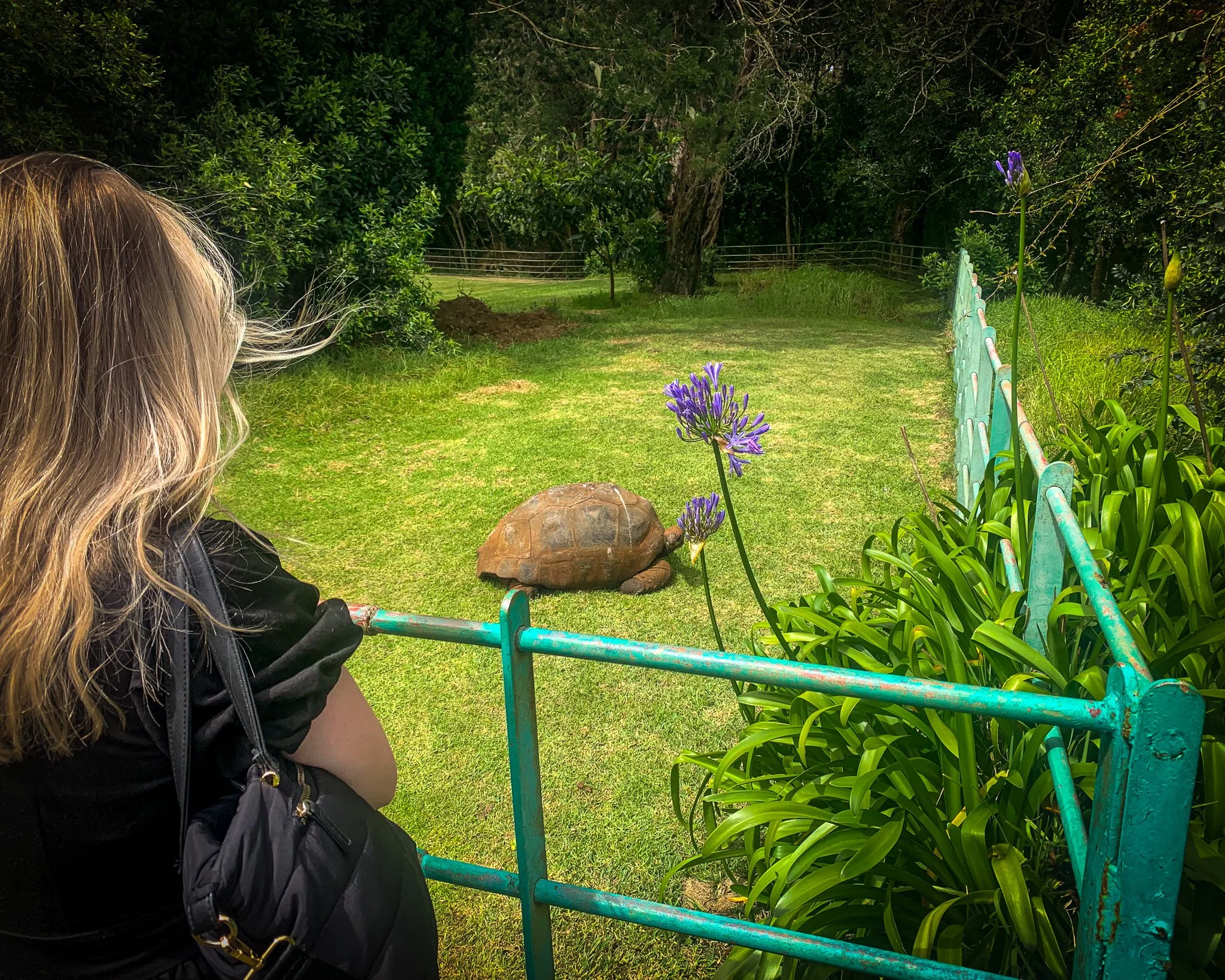
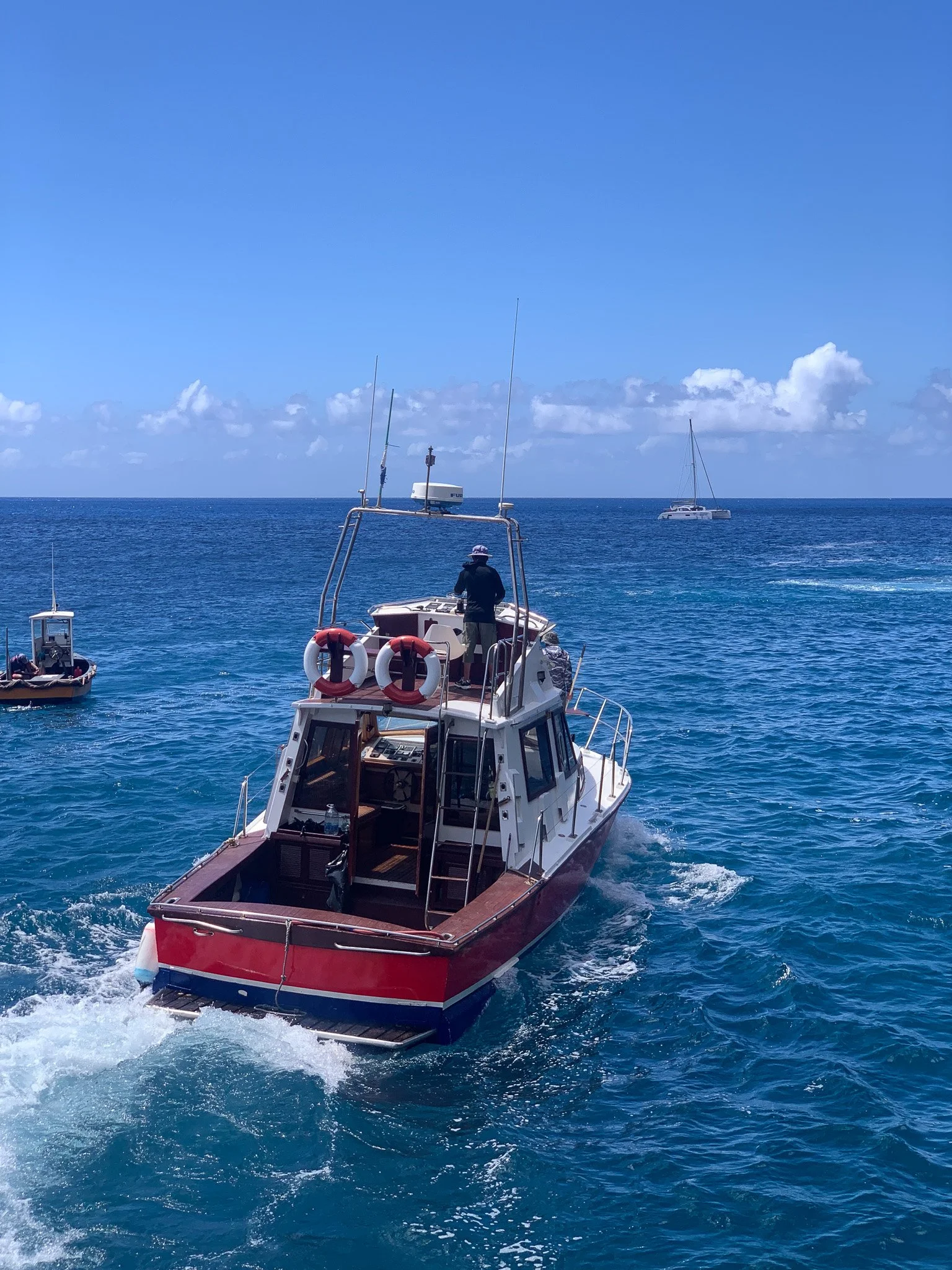
Excursions are where the island's charm really lives — whale shark encounters, Jacob's Ladder, Napoleon's exile sites at Longwood House and The Briars, Diana's Peak, the postbox walks, boat trips around the coastline — but they're also where independent bookers run into the most friction.
Many excursions on St Helena are weather-dependent, particularly the marine ones. A whale shark trip or boat-based excursion can be moved, delayed, or cancelled at short notice depending on sea conditions, and knowing when that's likely, and how to rearrange around it, isn't something you can Google. It comes from an ongoing relationship with the operators actually running the boats.
Similarly, many of the island's smaller attractions and experiences run on their own particular rhythms — opening times that aren't always what's listed anywhere online, guides who work other jobs alongside guiding and need advance notice, weekly events that happen like clockwork most of the time but get cancelled or rescheduled at the last minute for reasons that make total sense locally but would be baffling to someone booking from overseas with no context.
Without that context, an independent traveller can build a beautifully detailed itinerary that quietly falls apart the moment they arrive.
The Real Value of Booking Through a DMC
This is really the heart of why logistics on St Helena work differently, and why a destination management company like ours exists in the first place.
When you book through Destination St Helena, you're not booking through a platform — you're booking through people who live here, knows the owners of these properties personally, know the guides by name, and have an up-to-date, real-world sense of what's actually happening on the island in any given week, not just what a website says should be happening.
That matters in ways that are easy to underestimate until you've experienced the alternative. We know which self-catering units suit which kind of group, because we've seen them and spoken to the owners who run them. We know which excursion operators are reliable in which conditions, and who to call first when the weather turns.
We know which weekly events are actually happening this week and which have quietly been moved, because we're in the same small community as the people running them. We know the realistic timing between districts, not just the distance on a map. And when something does change at short notice — because on a small island, something occasionally will — we're able to adapt your plans in real time, because we're already plugged into the same network of operators, owners, and guides who are dealing with that change too.
Beyond the practical coordination, there's something else worth mentioning: using a DMC means someone on the ground is actually invested in your trip going well, not just in processing a booking. We're a small island, and reputations matter here in a way they might not in a big city with thousands of hotels and tour operators. When we put a visitor with a particular B&B, or match them with a particular guide, we're doing it because we know it'll be a good fit — not because an algorithm matched keywords.
There's also real value in not having to do the legwork yourself. Instead of sending a dozen emails to individual accommodation owners and excursion operators, hoping for replies, and then trying to stitch together a coherent schedule from whatever comes back, you have one point of contact who already knows the answers, already has the relationships, and can build the whole itinerary — accommodation, transfers, transport, and excursions — as one coordinated plan rather than a pile of separate, uncoordinated bookings.
And frankly, it saves you money and stress in ways that aren't always obvious upfront. A mismatched self-catering booking, a missed transfer, or an excursion you didn't know had been rescheduled isn't just an inconvenience on a normal trip — on an island as remote as St Helena, with an infrequent flight schedule and genuinely limited capacity across accommodation and excursions, getting it wrong can mean losing a day of your trip entirely, with no easy way to simply book something else last minute. There often isn't a "something else" sitting there with spare capacity the way there would be in a bigger destination.
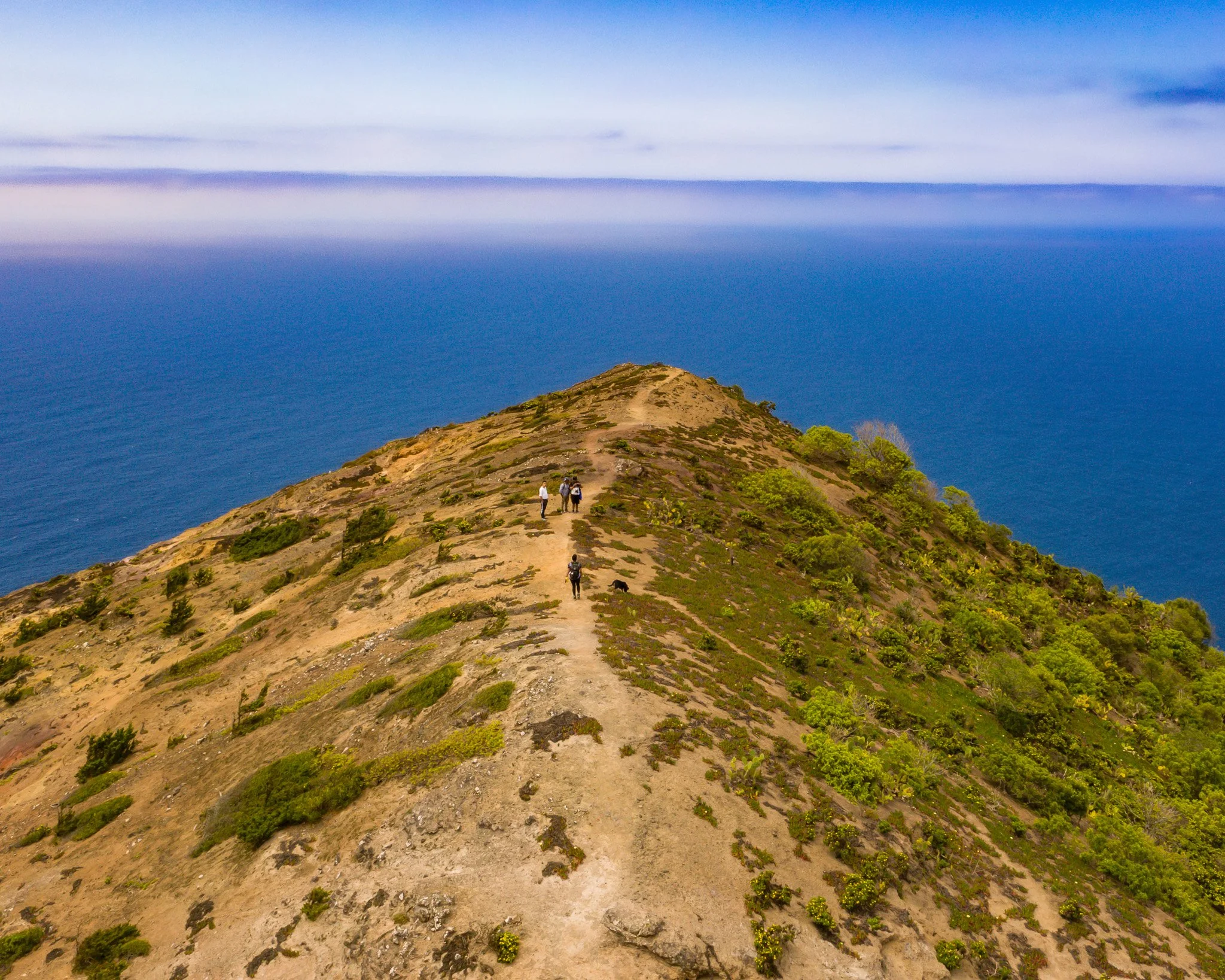
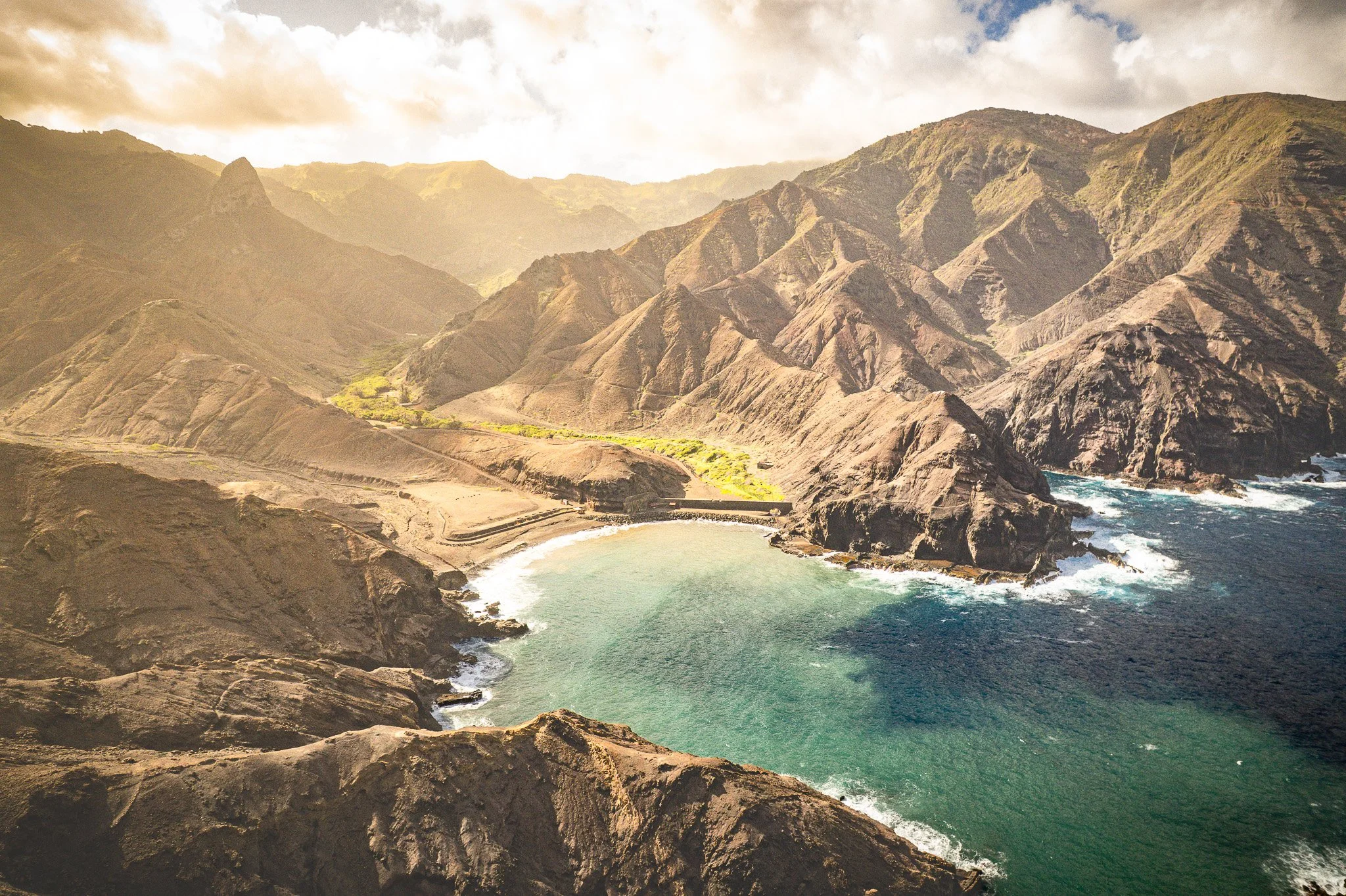

Common Questions We Get Asked
A few questions come up often enough that they're worth addressing directly, because they capture a lot of what makes St Helena different.
"Can I just book a room on Booking.com like I did for my flight?" Some St Helena properties may appear on larger platforms from time to time, but availability, accuracy, and responsiveness vary hugely, and self-catering units in particular are rarely listed with enough detail to know if they actually suit your group. You can try it, but you're taking a real risk on getting a mismatch, with limited ability to fix it once you've landed.
"Surely I can just hire a car and figure out transport myself?" Car hire exists in limited supply, and St Helena's roads are narrow, steep, and unfamiliar even to confident drivers used to other terrain. It's workable for some visitors, particularly those staying centrally in Jamestown, but it doesn't solve the coordination problem around excursion timing, weather-dependent rescheduling, or knowing which routes are realistic between districts.
"What if I book everything separately and it just doesn't work out once I'm there?" This is the scenario we most want to help people avoid. Because the island has limited capacity across accommodation and excursions, there often isn't a fallback option waiting in reserve. A missed connection or a rescheduled trip elsewhere might just mean a slightly adjusted afternoon. On St Helena, it can mean losing that experience entirely for the length of your stay.
"Is using a DMC only worth it for bigger groups?" Not at all — solo travellers and couples benefit just as much, if not more, since they're less likely to have the flexibility of splitting up if one part of a loosely arranged plan falls through. Matching the right accommodation type to a solo traveller, or coordinating transfers for a couple without a rental car, is exactly the kind of detail that's easy to get wrong booking independently.
What This Means If You're Planning a Trip
If you're reading this because you're genuinely planning a visit to St Helena, here's the practical takeaway: book your flights however suits you — Booking.com, a travel agent, or directly with Airlink, it really doesn't matter. But for everything that happens once you land, it's worth having a conversation with people who actually know the island before you start booking piece by piece yourself.
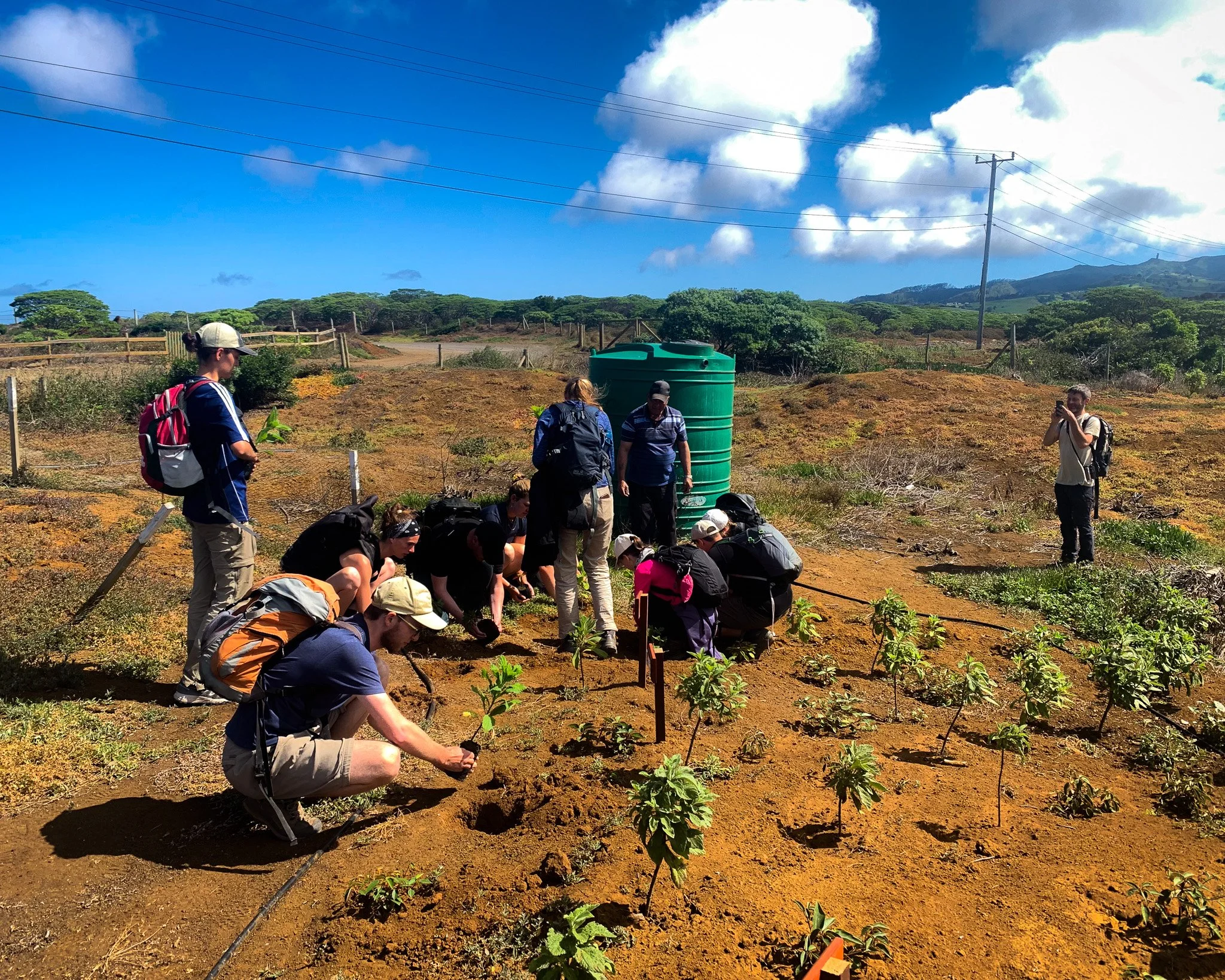
Tell us how many of you are travelling, and how you're travelling together — that single detail shapes which accommodation options genuinely make sense for you. Tell us what you want out of the trip — whether that's the marathon and Adventure Week, the whale sharks, Napoleon's history, the hiking trails, or simply a quiet, remote escape — and we'll build the transfers, transport, and excursions around that, using relationships we've built with the people actually running things here.
St Helena rewards visitors who come prepared for a genuinely different kind of destination — not a difficult one, just a different one. The island doesn't run on apps and instant booking confirmations. It runs on relationships, local knowledge, and a small community of people who take real pride in getting things right for the handful of visitors who make it all the way out here.
Working with a DMC isn't an extra cost bolted onto your trip — it's the thing that turns a complicated, fragmented list of individual bookings into a single, coordinated, and genuinely well-run island experience.
Come prepared, ask the right questions early, and let people who know the island handle the parts that don't show up on a booking platform. It's the difference between spending your trip untangling logistics, and actually spending it experiencing one of the most remote and remarkable places on earth.